
Moissanite: What It Is and How It Differs from Diamonds
In brief: Moissanite is silicon carbide, which is now grown in laboratories. On the Mohs scale, its hardness is 9.25 compared to a diamond's 10, and its light refraction of 2.65 compared to 2.42 gives it a stronger brilliance. It costs approximately ten times less than a diamond ($400–700 versus $4,000–6,000 per carat) and does not dull for years.
In 1893, chemist Henri Moissan discovered crystals in a meteorite that he mistook for diamonds. He was wrong. It was silicon carbide, which is practically non-existent on Earth. The stone was named after the scientist.
Today, jewelry-grade moissanite is grown in laboratories. Not for cost reduction – there simply isn't enough natural moissanite.
Moissanite, Diamond, and Cubic Zirconia: A Comparison
| Characteristic | Moissanite | Diamond | Cubic Zirconia |
|---|---|---|---|
| Hardness (Mohs scale) | 9.25 | 10 | 8.5 |
| Light refraction | 2.65 — stronger brilliance | 2.42 | lower |
| Price per 1 carat | $400–700 | $4,000–6,000 | $5–15 |
| Brilliance durability | retains for years | forever | dulls over time |
| What it is | silicon carbide (lab-grown) | carbon (natural or lab-grown) | zirconium oxide |
How it looks next to a diamond
The refractive index indicates how many times a stone reflects and refracts a light ray. A diamond's is 2.42, while moissanite's is 2.65. This means moissanite plays with light more actively. Not "almost like a diamond" – but differently, and for most people, it looks more striking.
Some customers dislike this – "too shiny, unnatural." Others want precisely this. There's no right answer here.
Hardness
Diamond – 10 on the Mohs scale. Moissanite – 9.25. It can only be scratched by a diamond itself. Keys, purse metal, rubbing rings – will not leave a mark. For daily wear, the difference between 10 and 9.25 is imperceptible.
Price
A 1-carat diamond, VS2, G-H, costs $4,000–6,000 depending on the cut and seller. A moissanite of the same size – $400–700. A 10-fold difference.
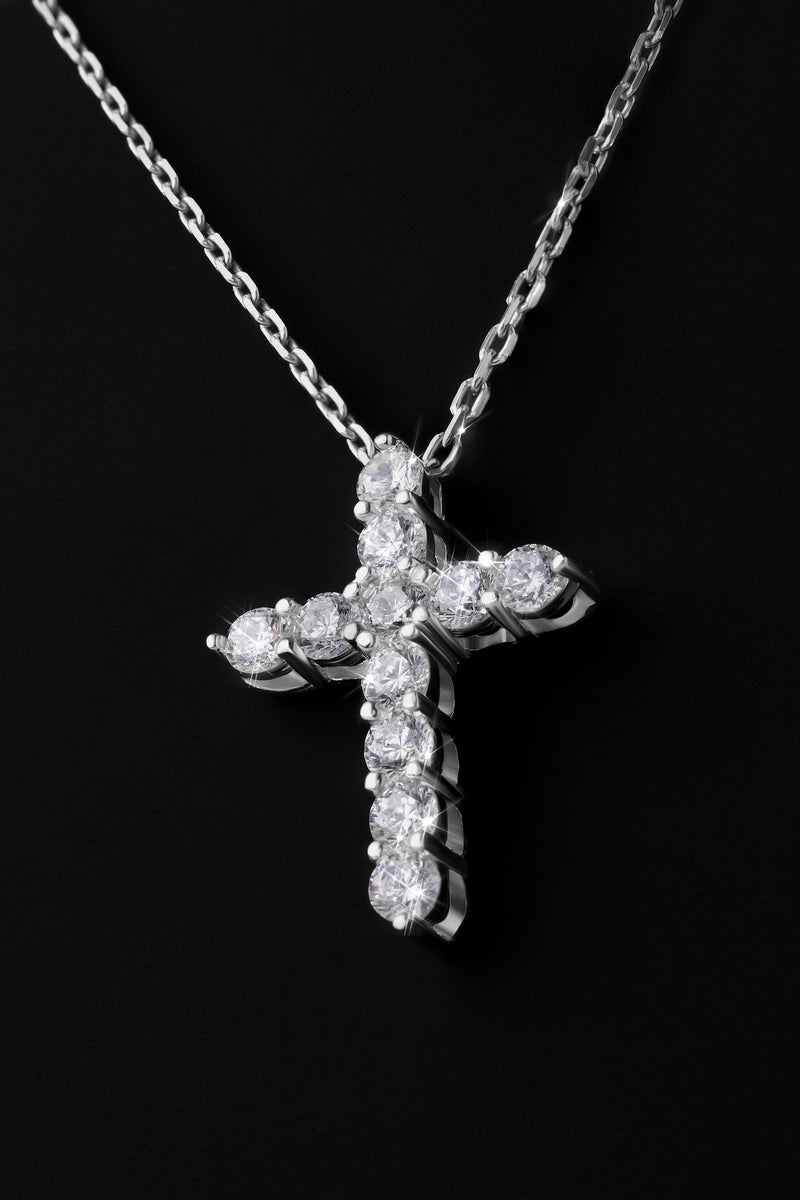
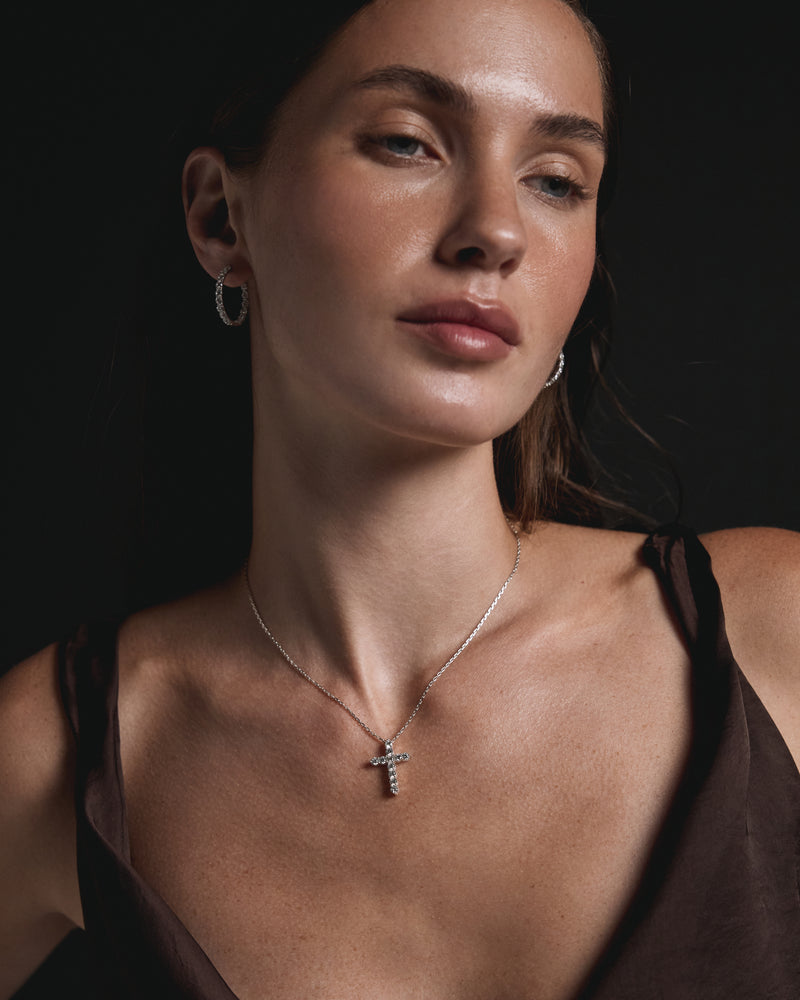
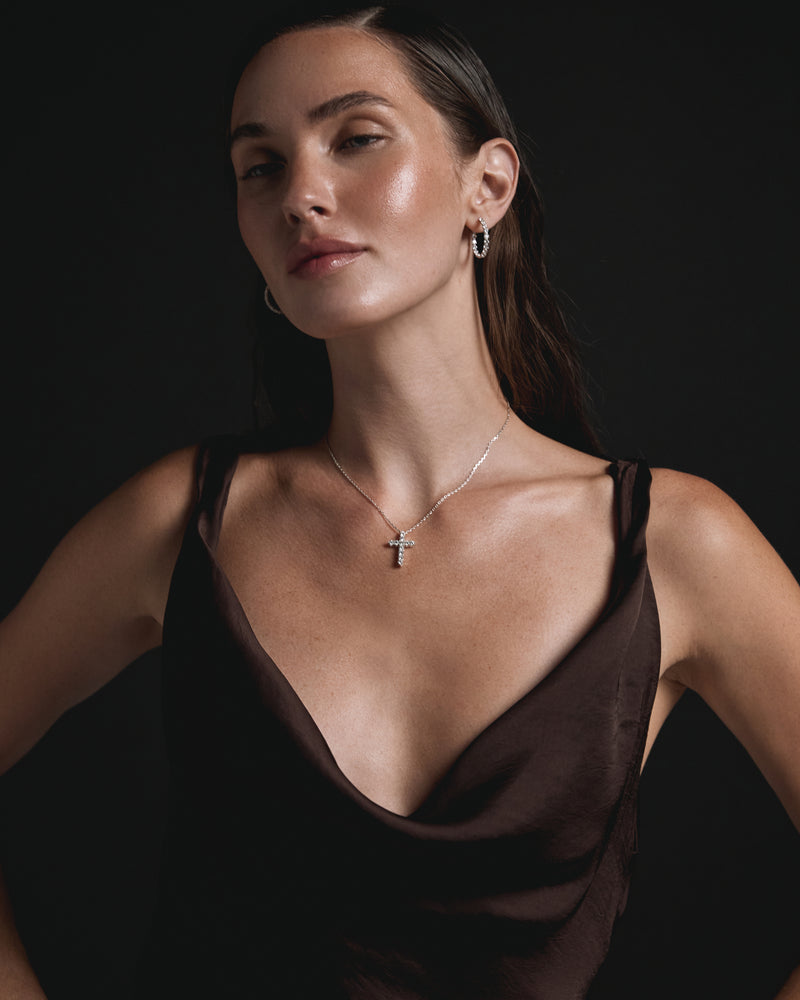
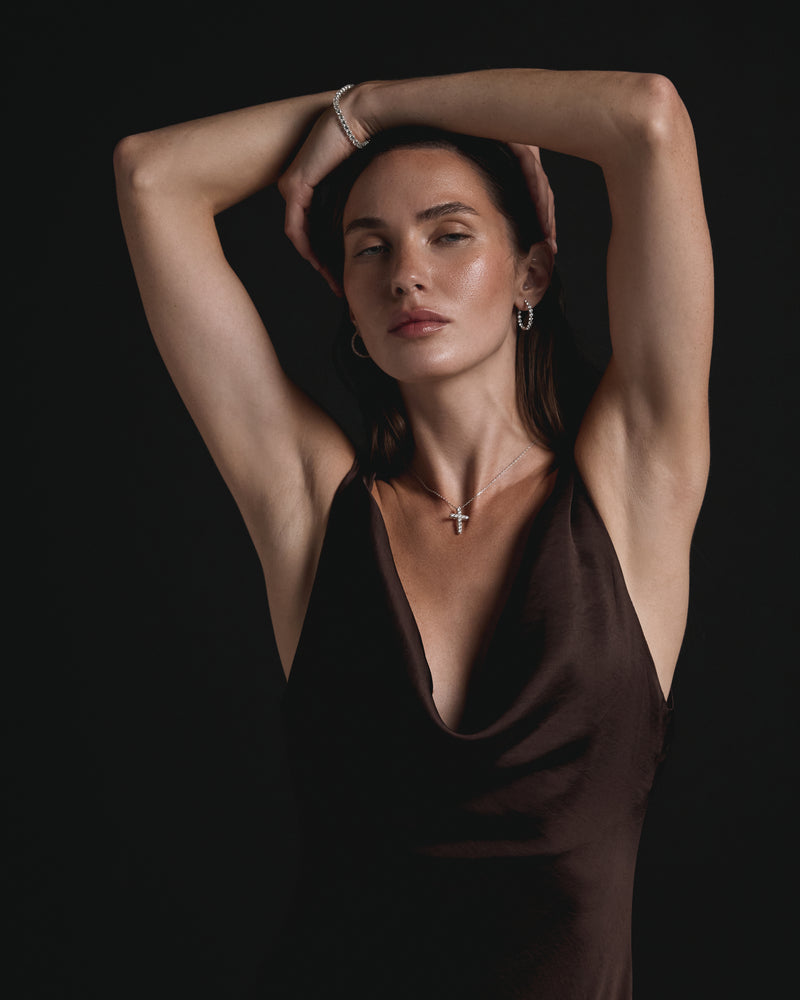
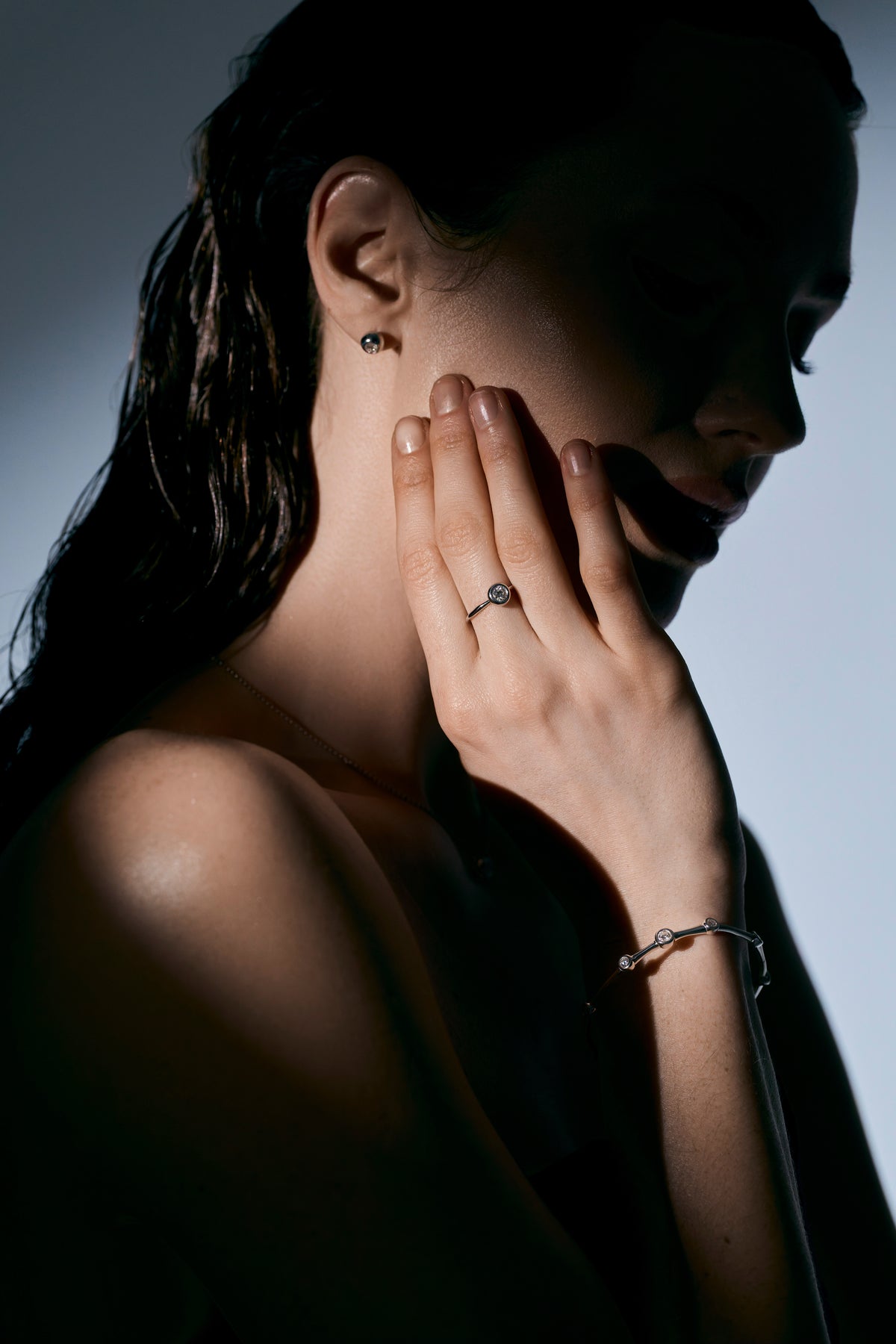
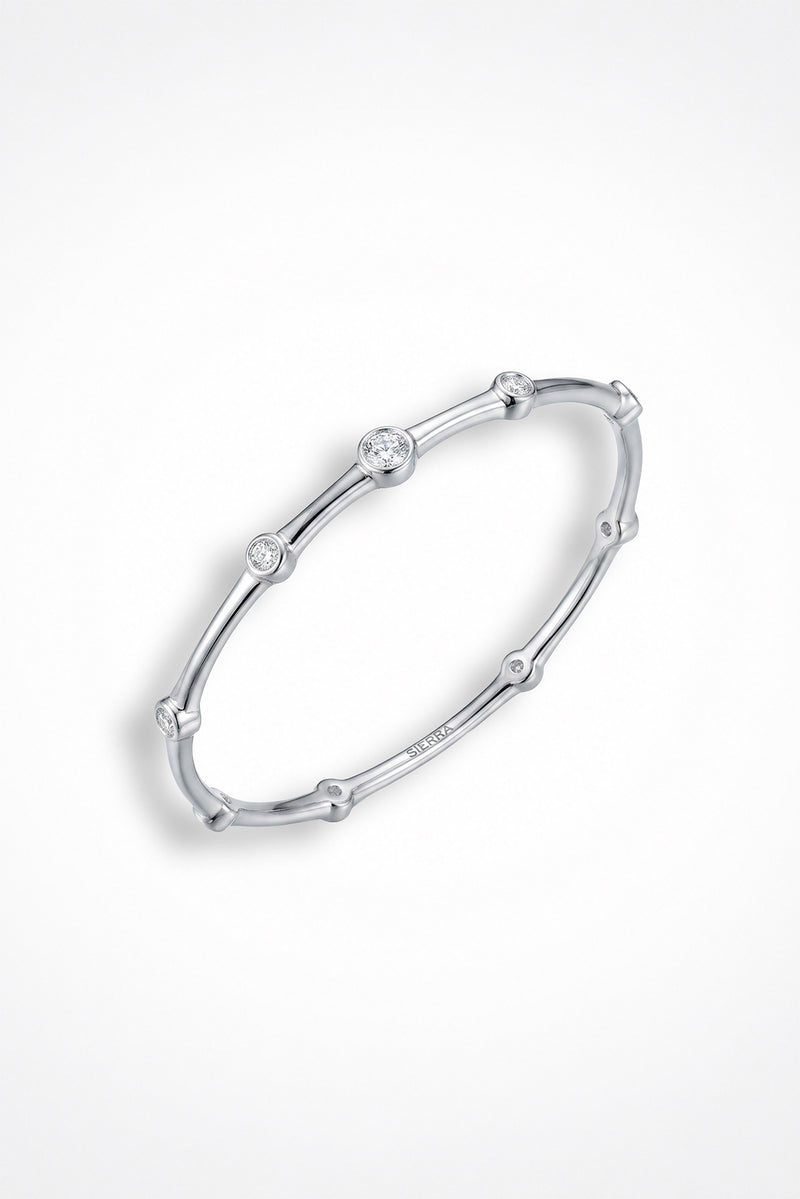
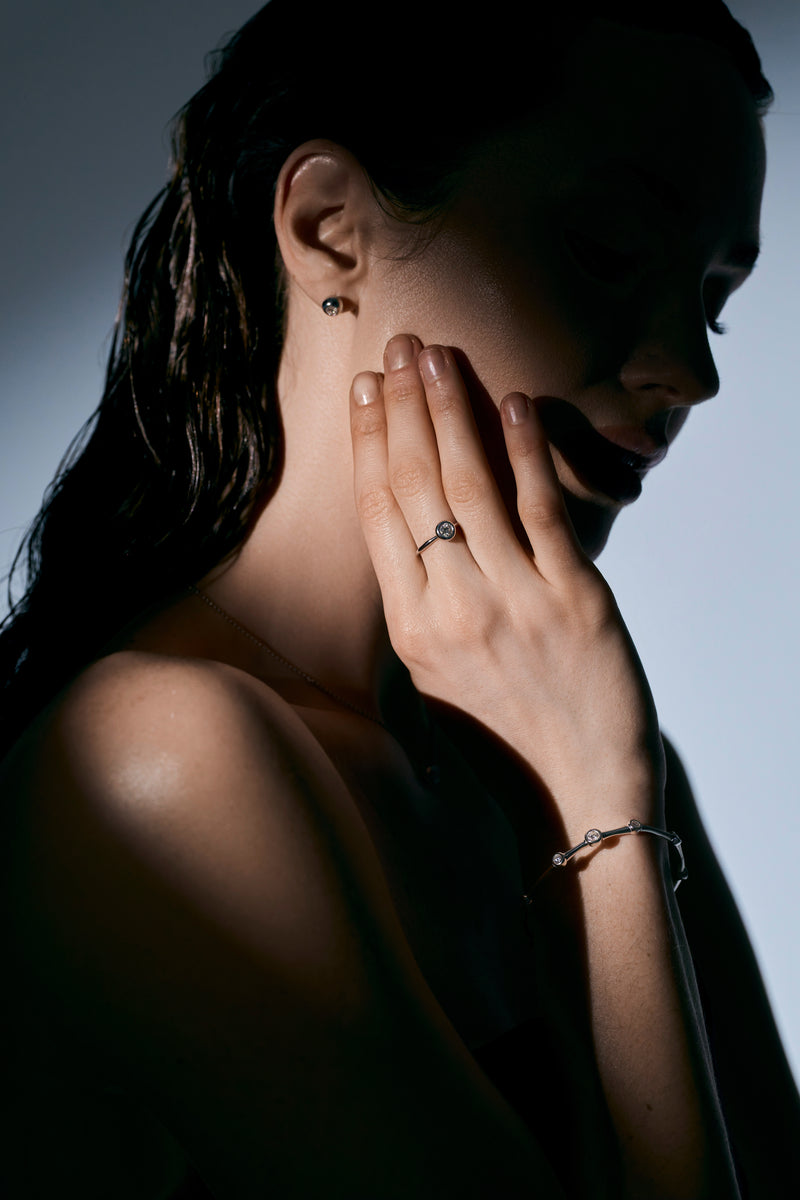
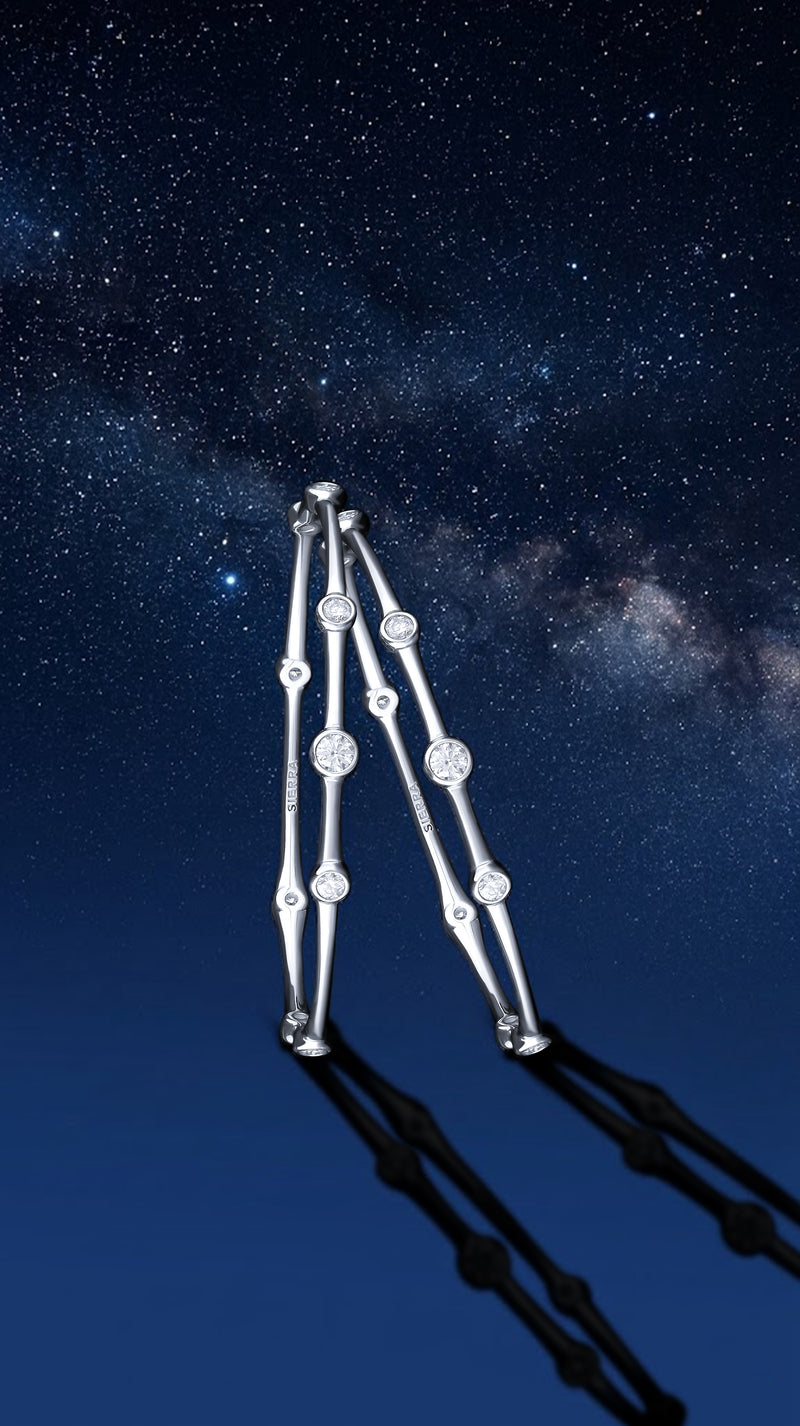
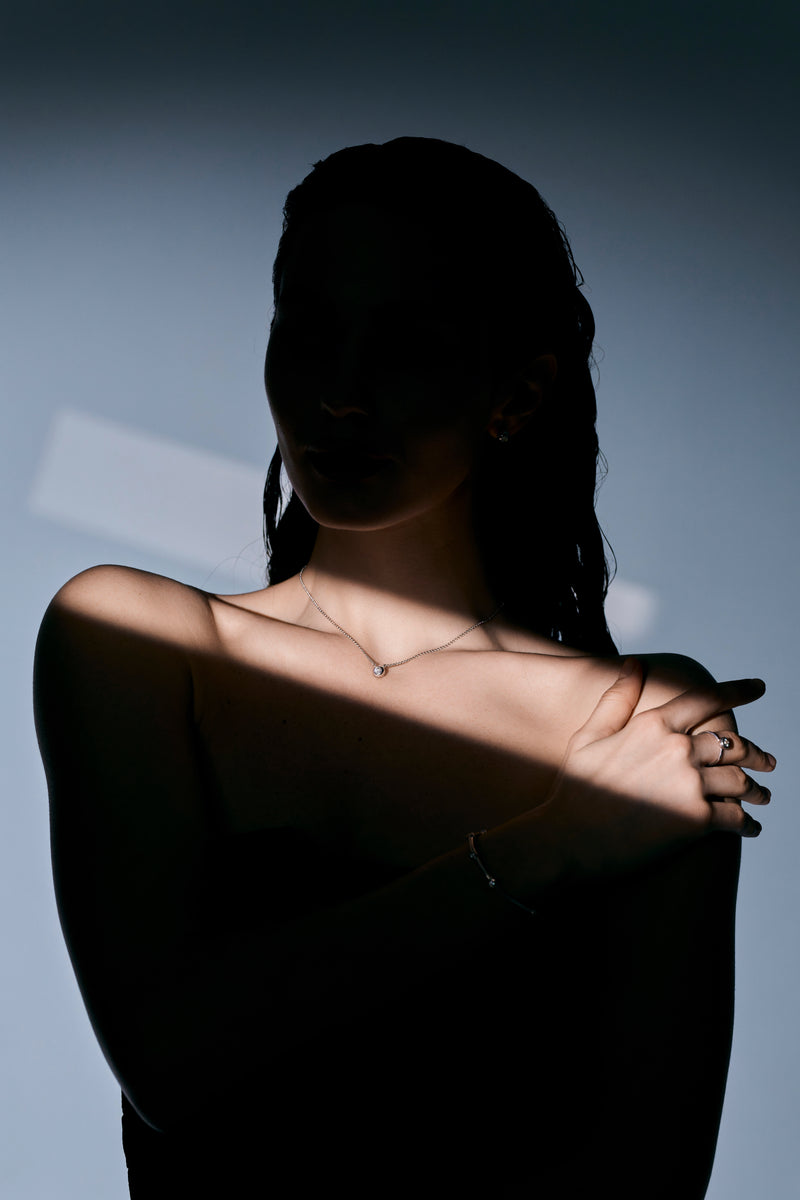
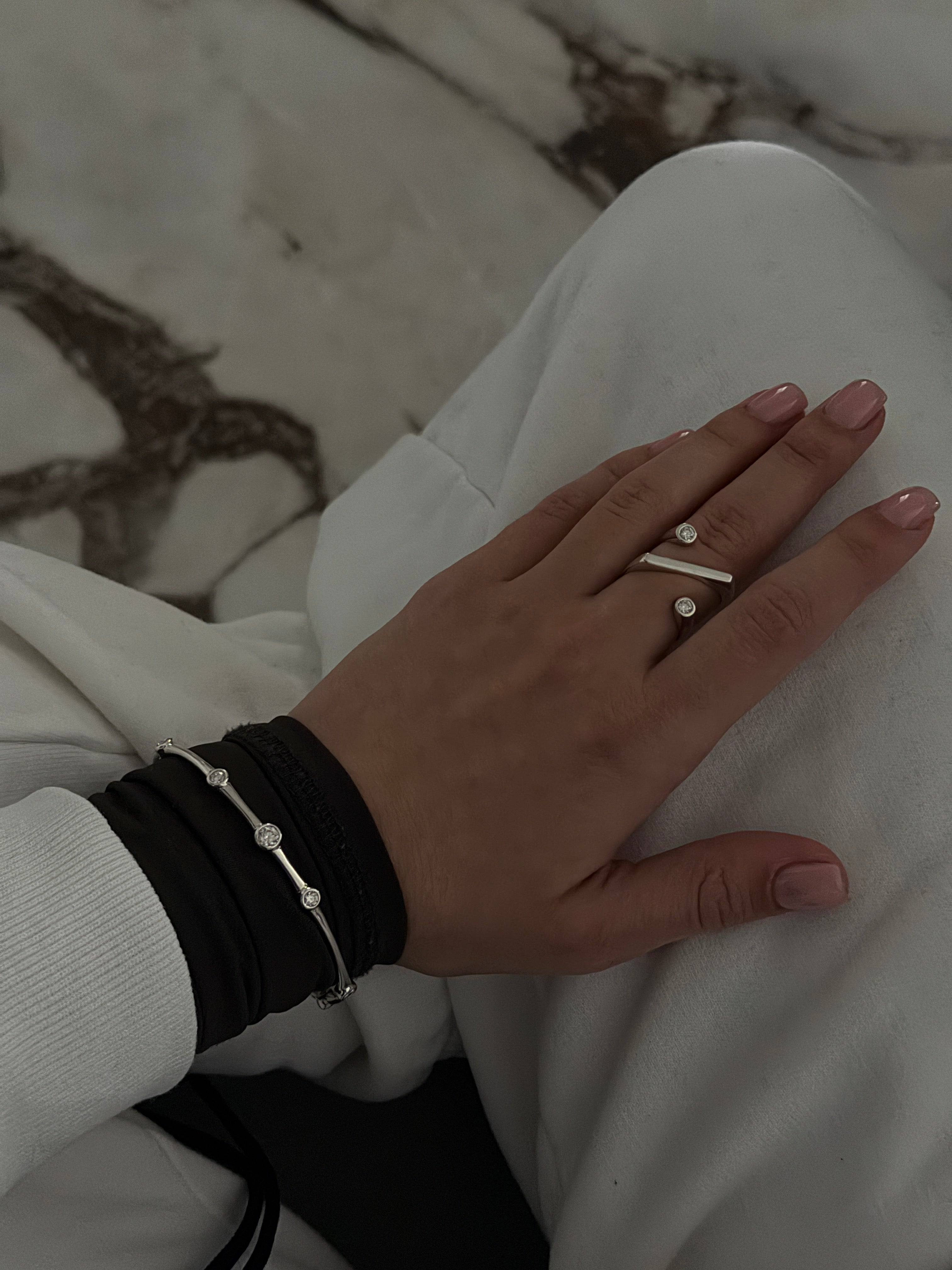
For that money, you can buy the entire Alma set: necklace, earrings, ring, and bracelet. Or simply not spend it.
Where moissanite cannot replace a diamond
If a natural mineral is important – billions of years old, a unique geological event, tradition – then no. It's a different thing. No price/quality comparison will work here, nor should it.
However, if the goal is a stone that looks good and lasts a long time – then moissanite is no worse in any way.
Moissanite in the Alma Collection
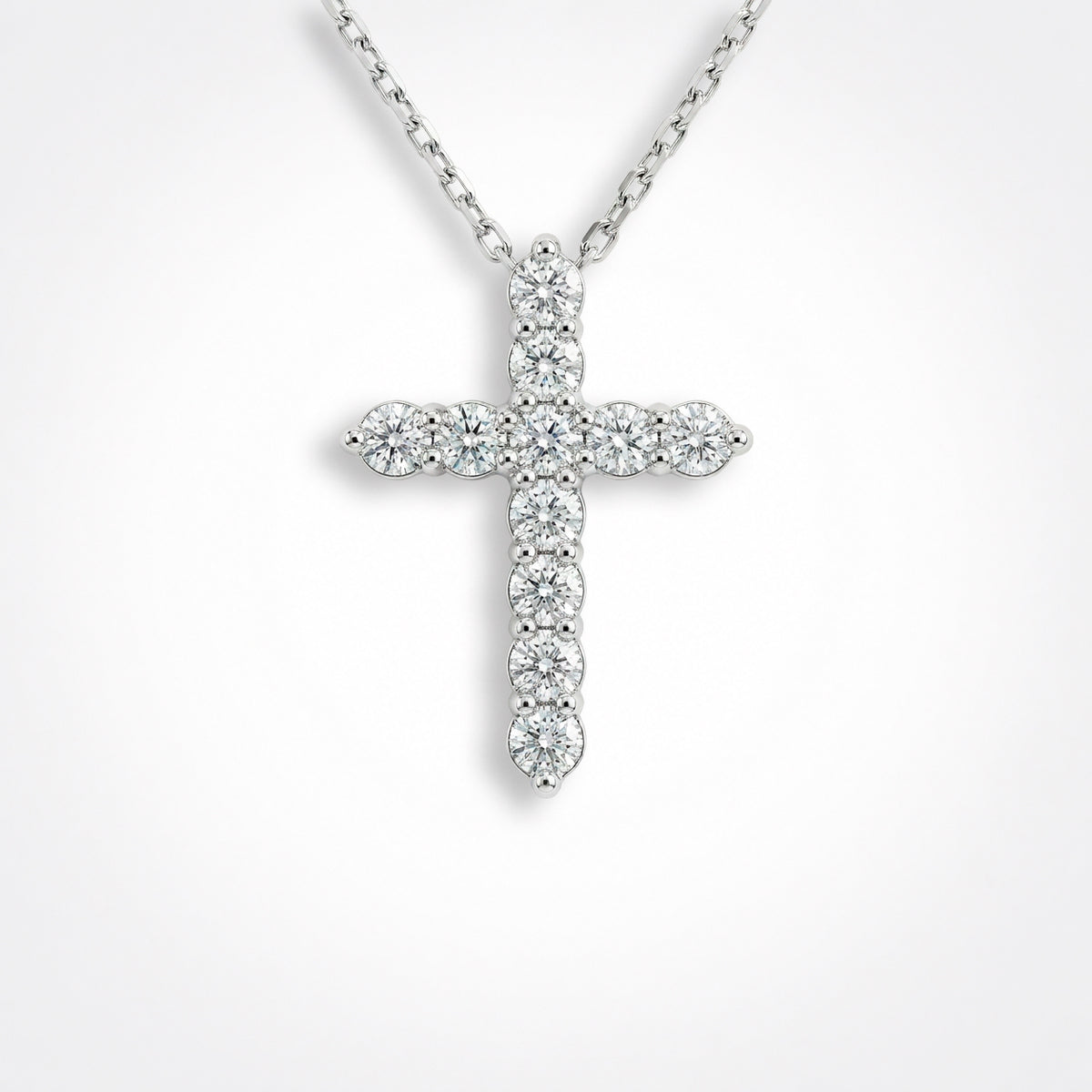
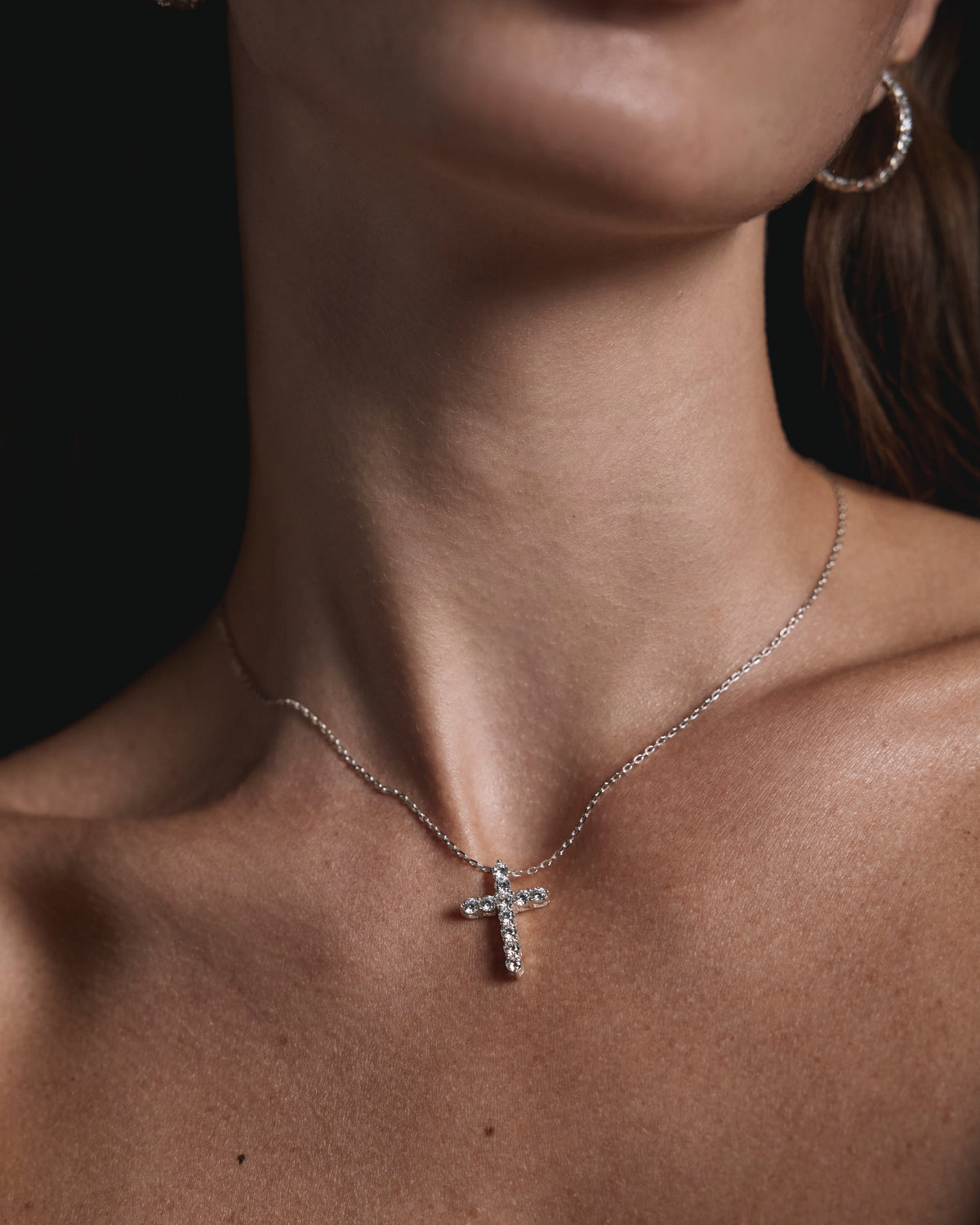
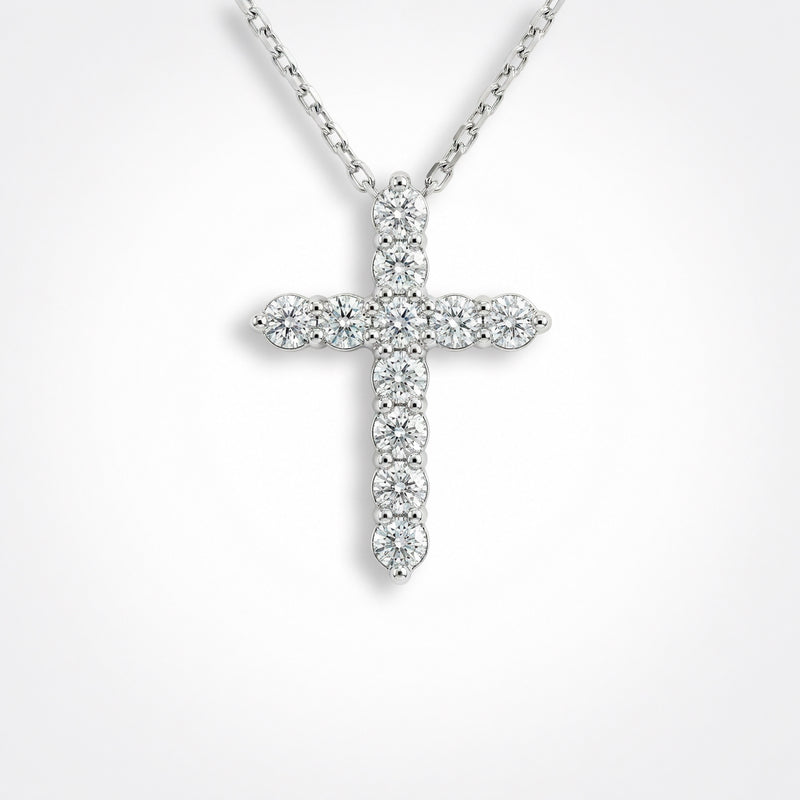
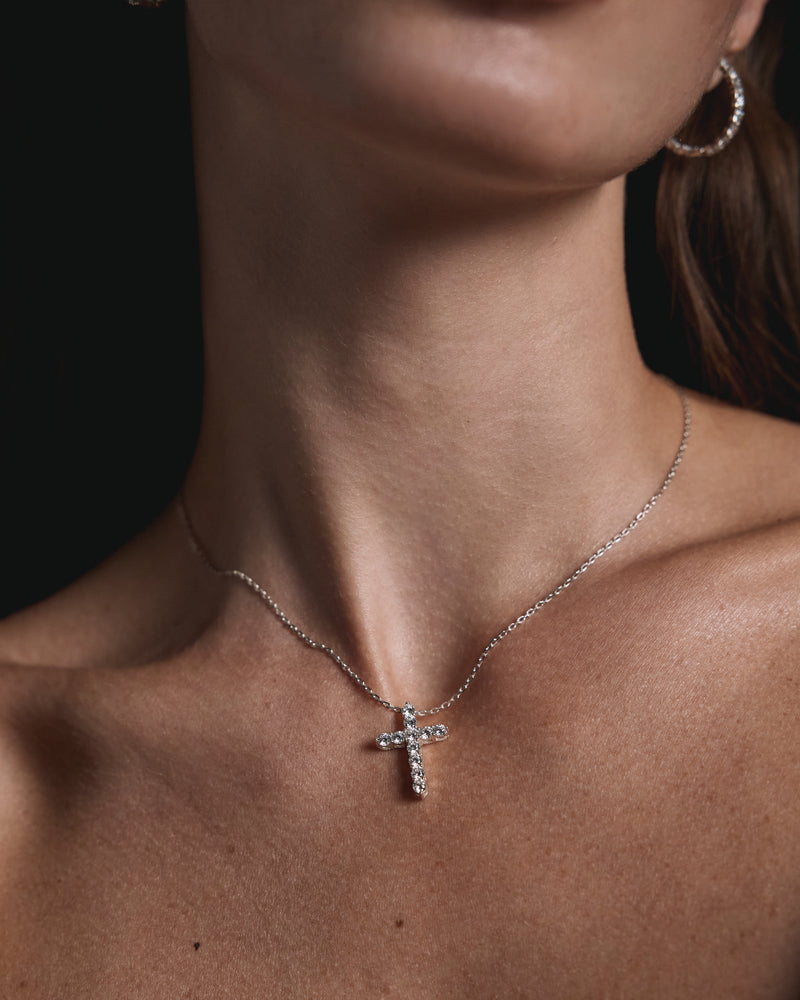
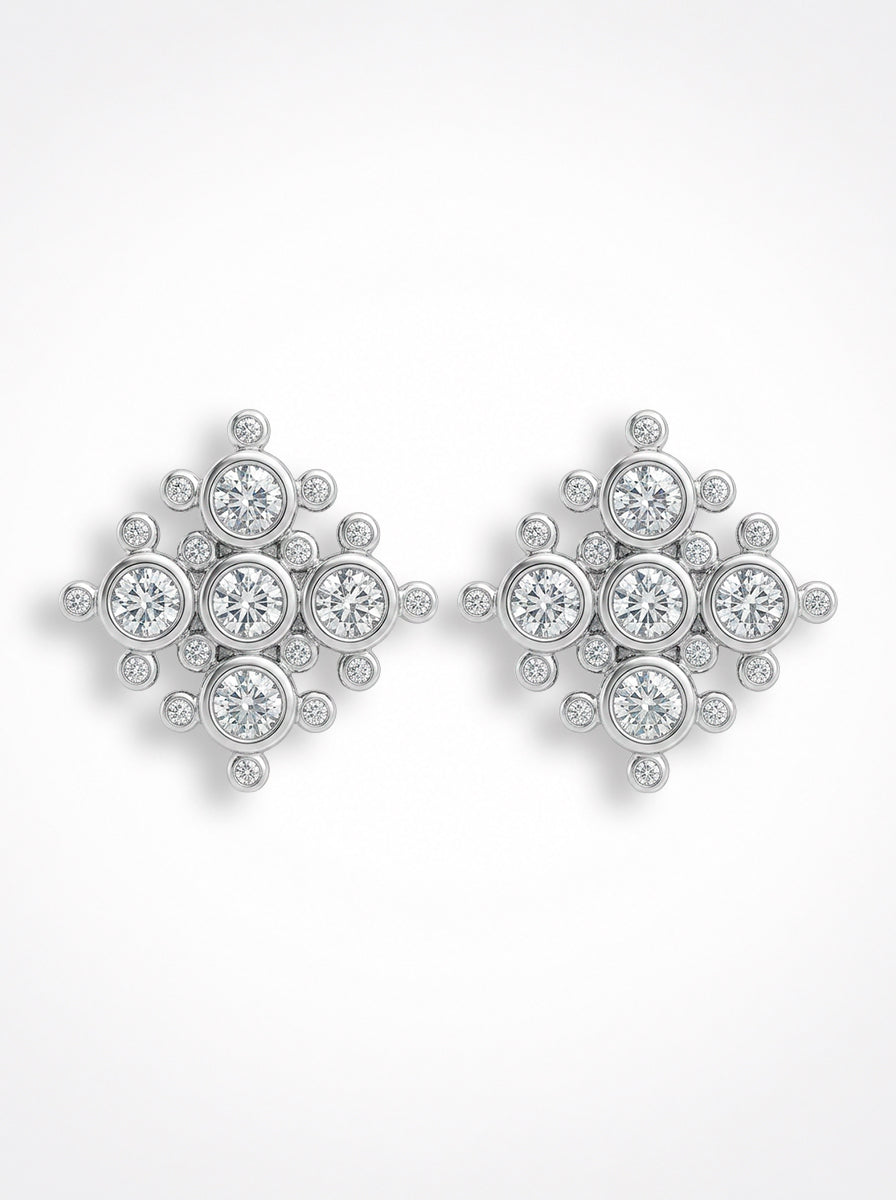
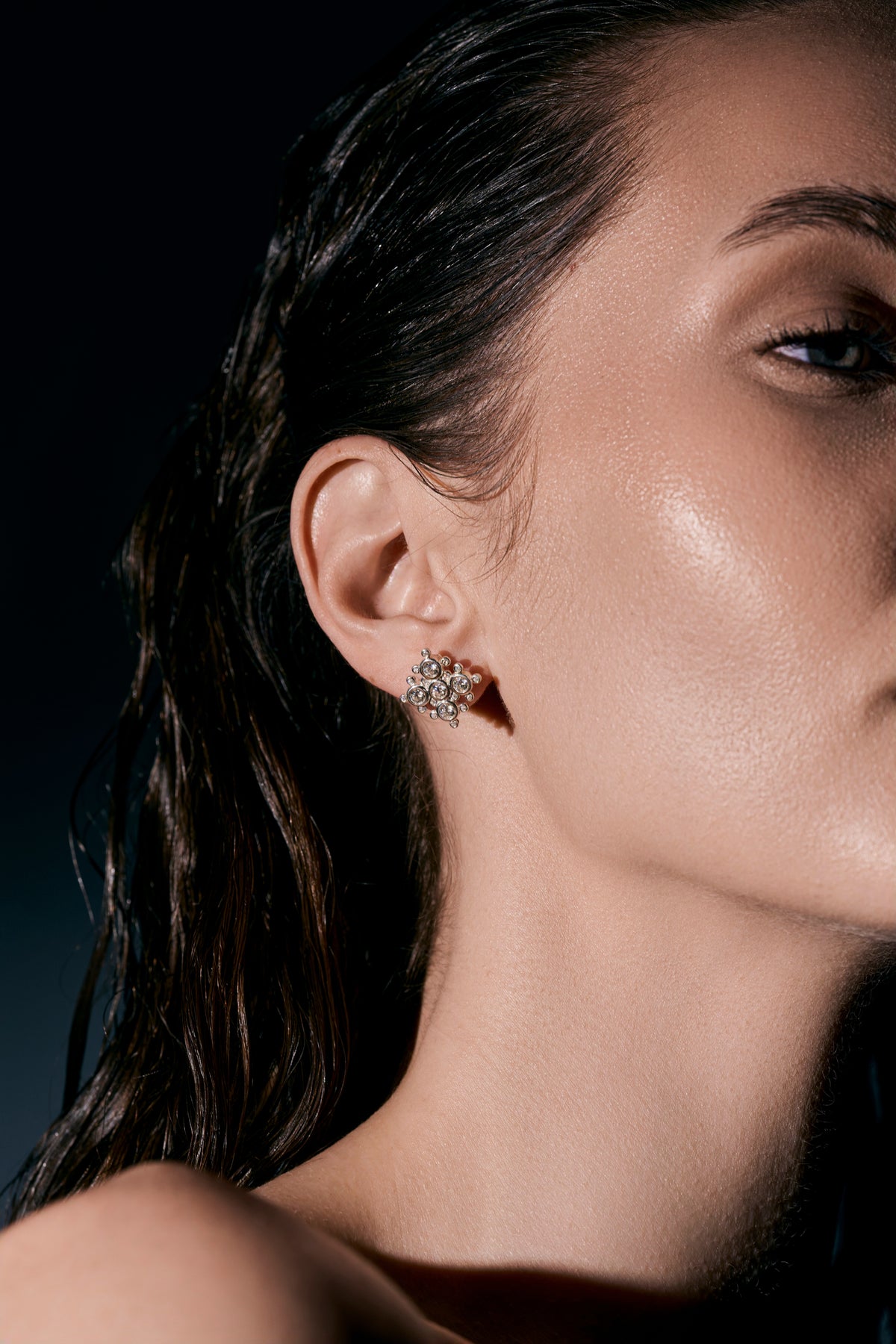
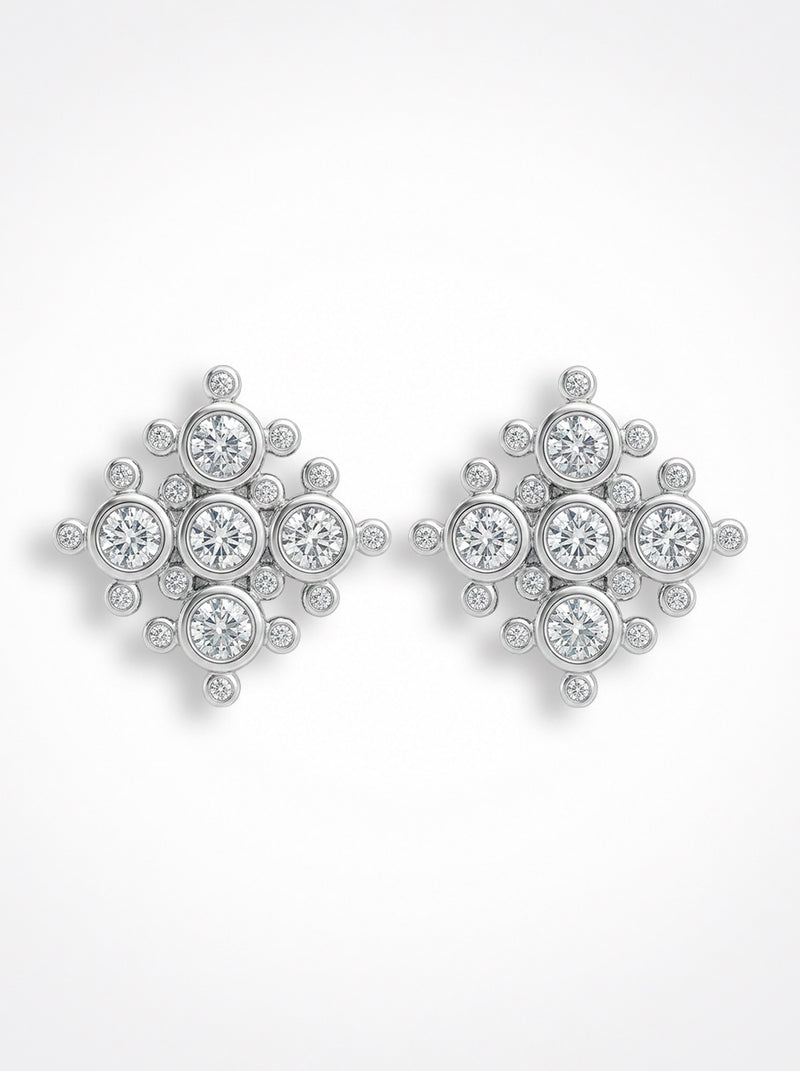
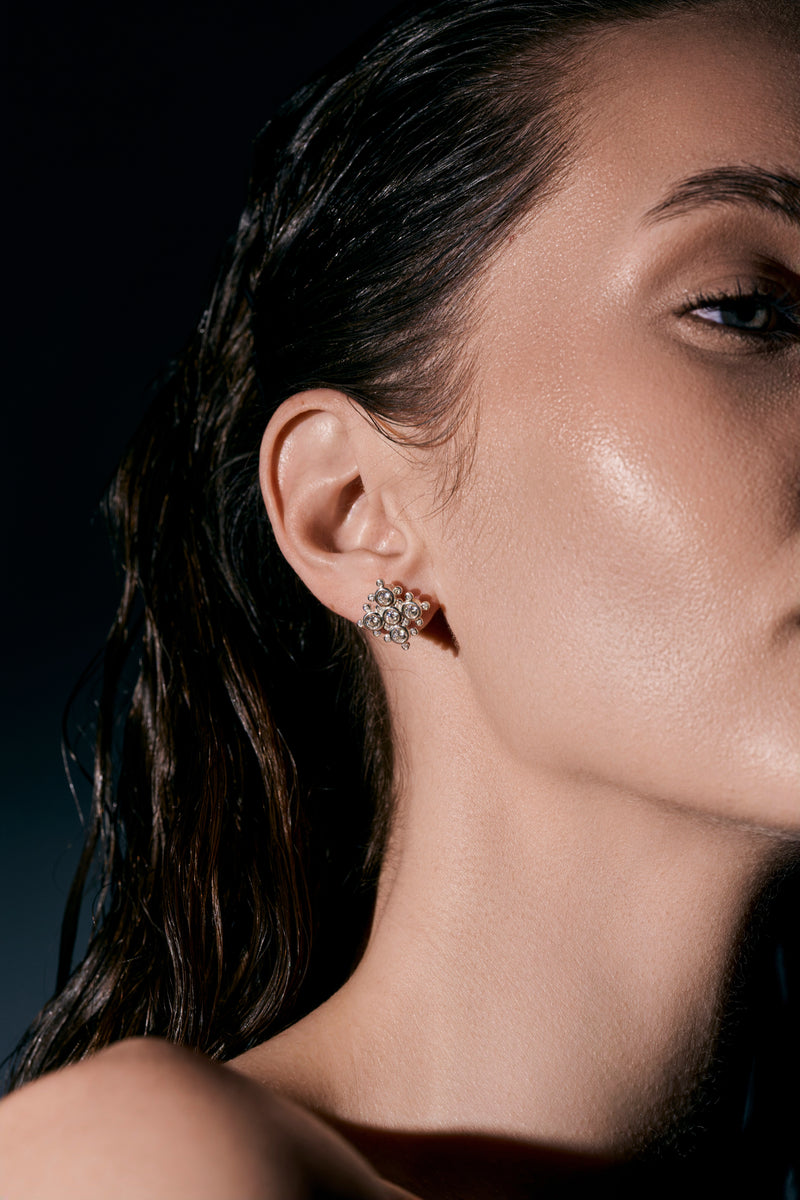
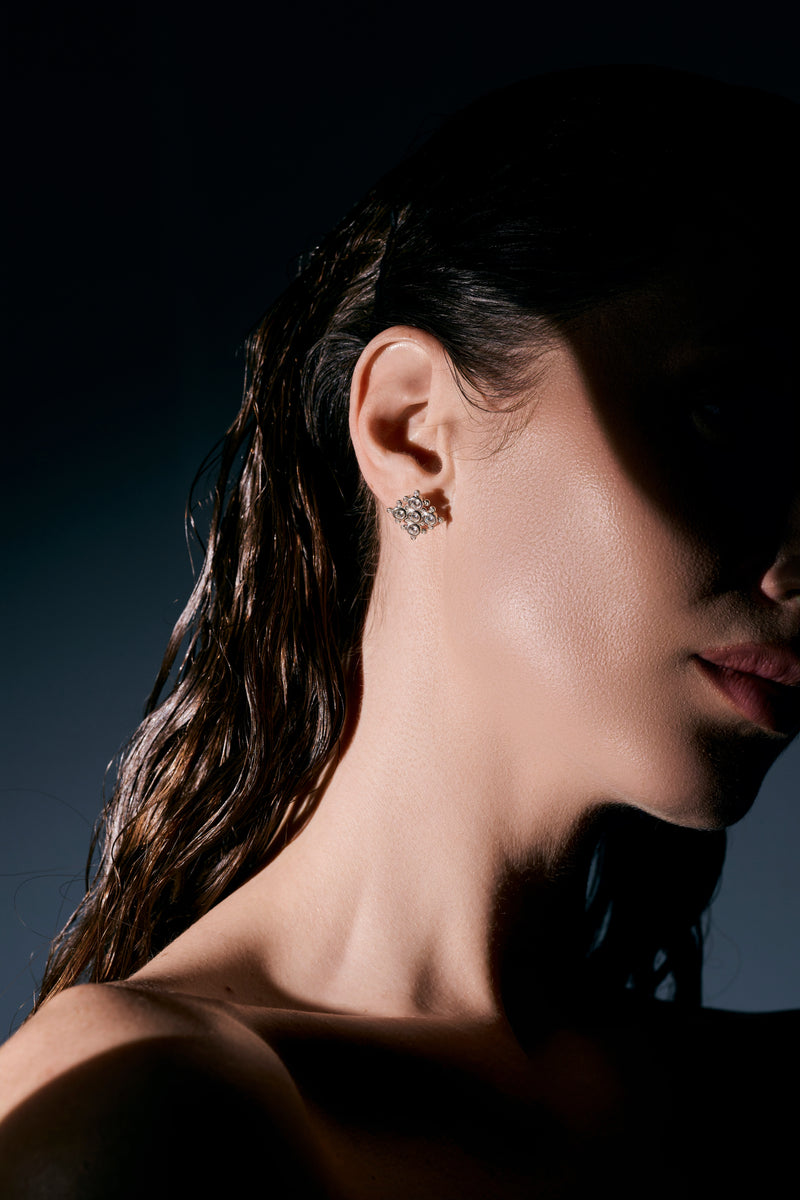
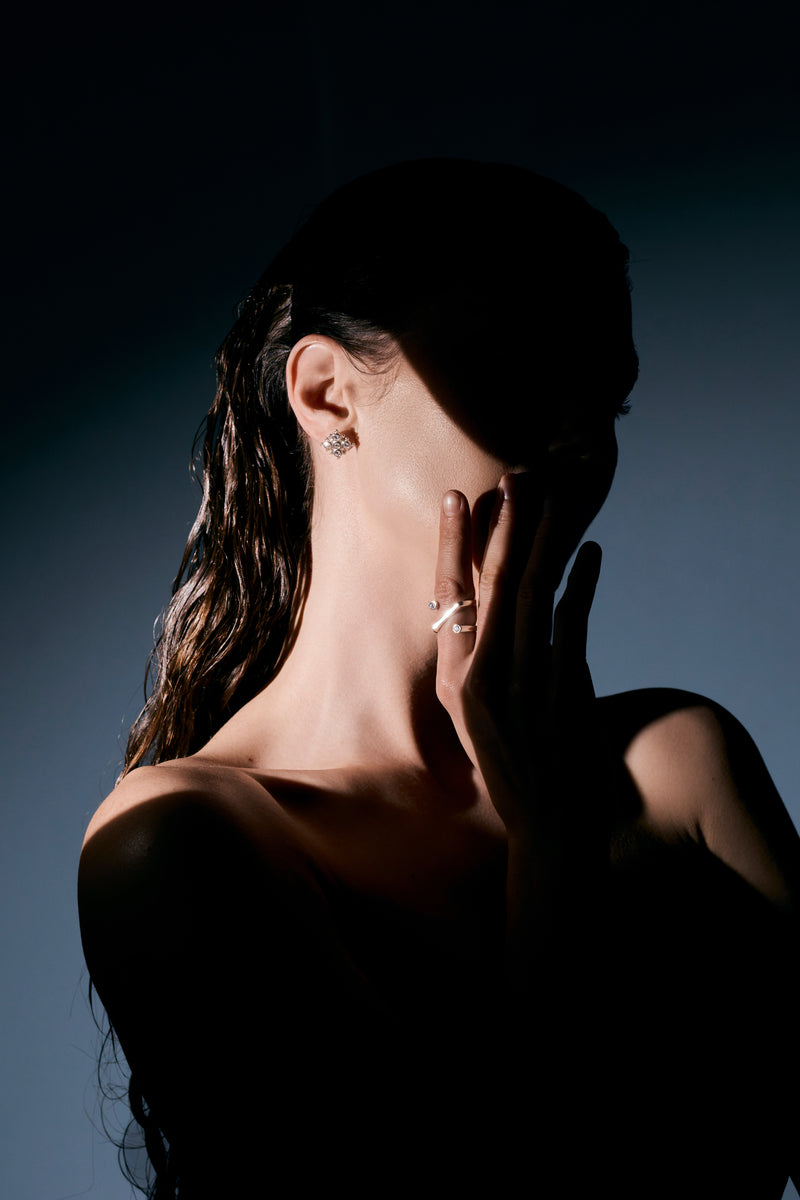
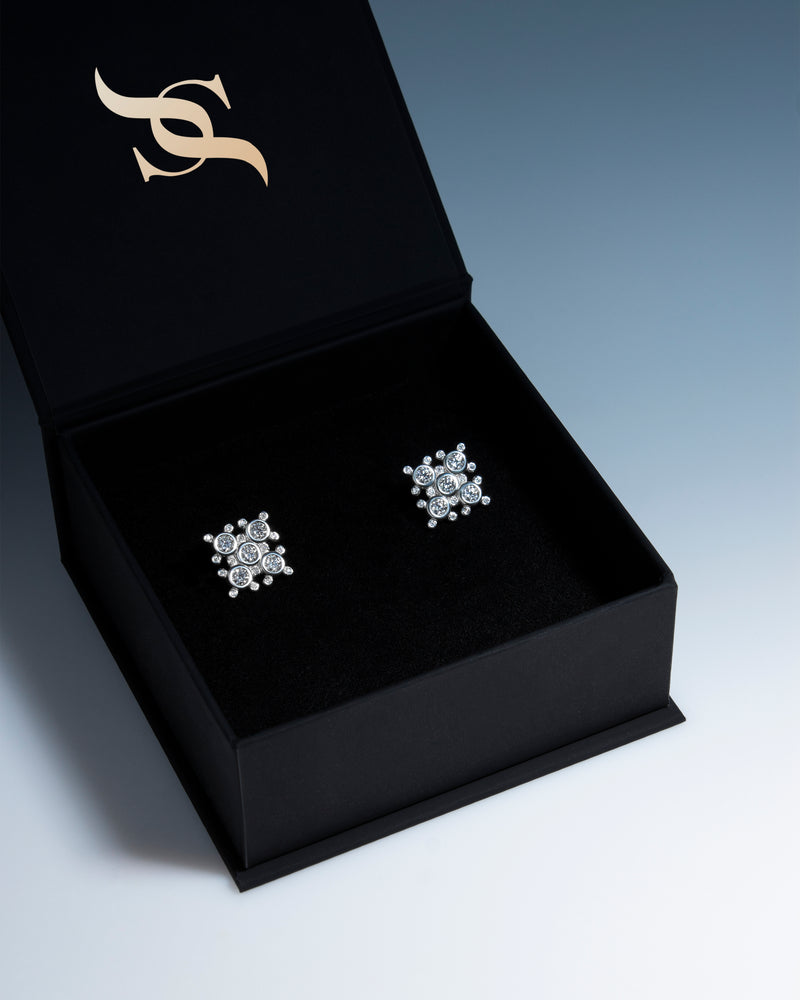
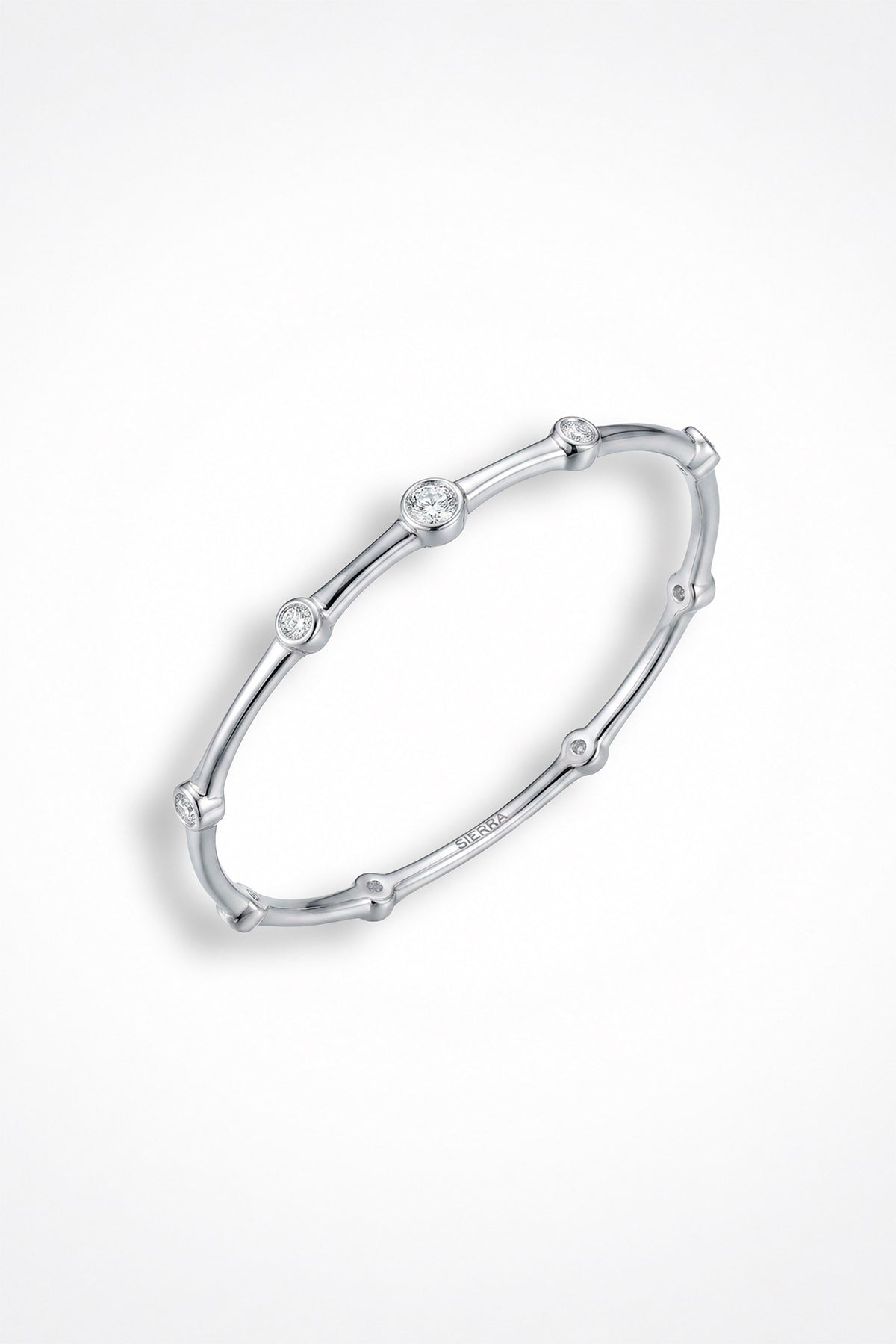
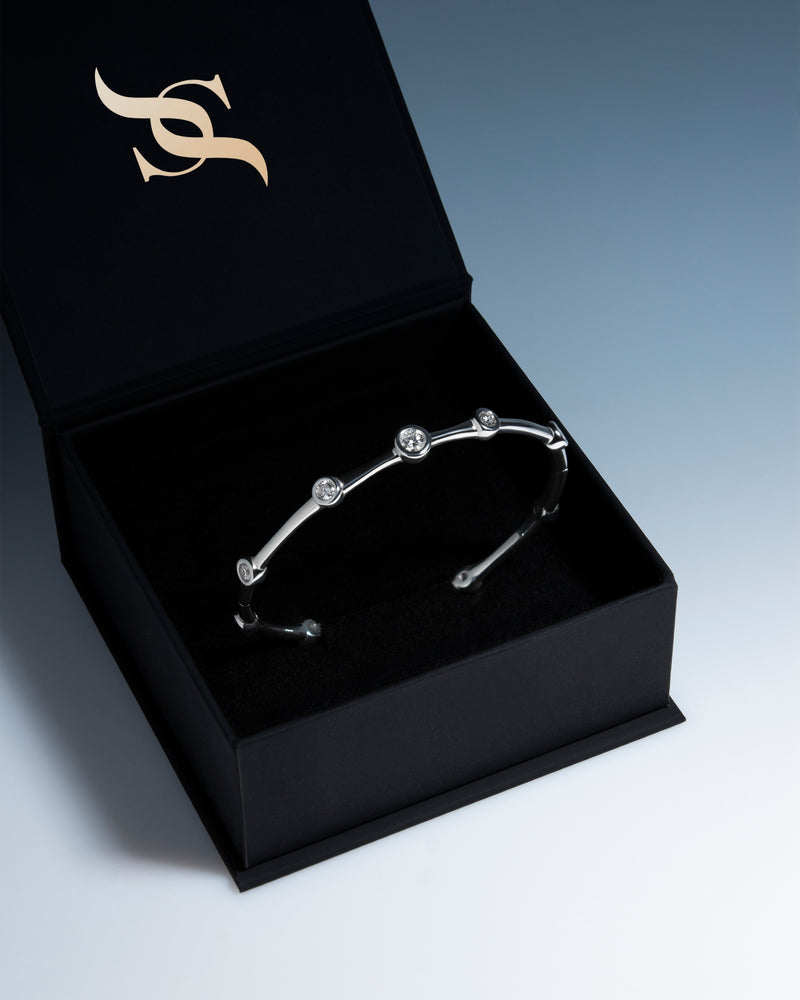
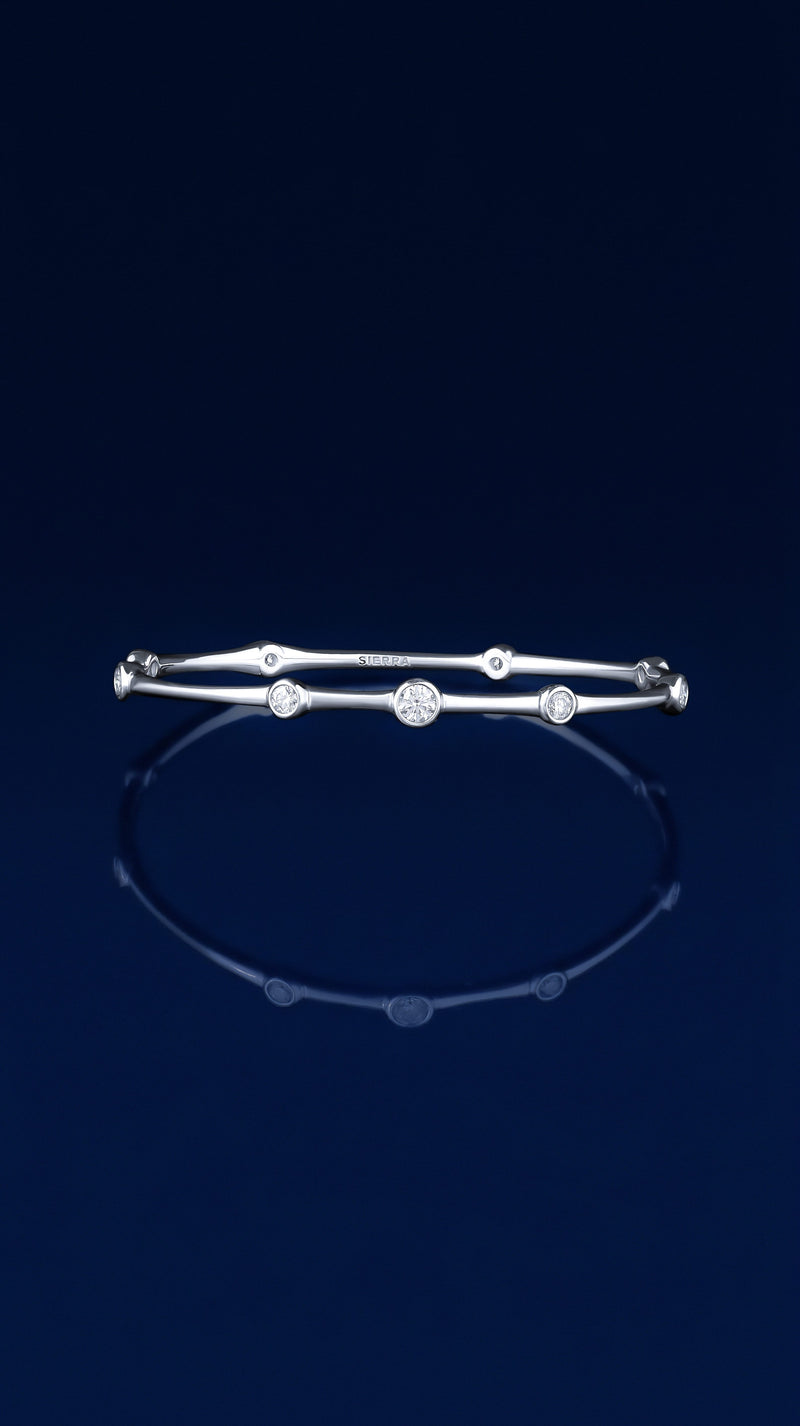
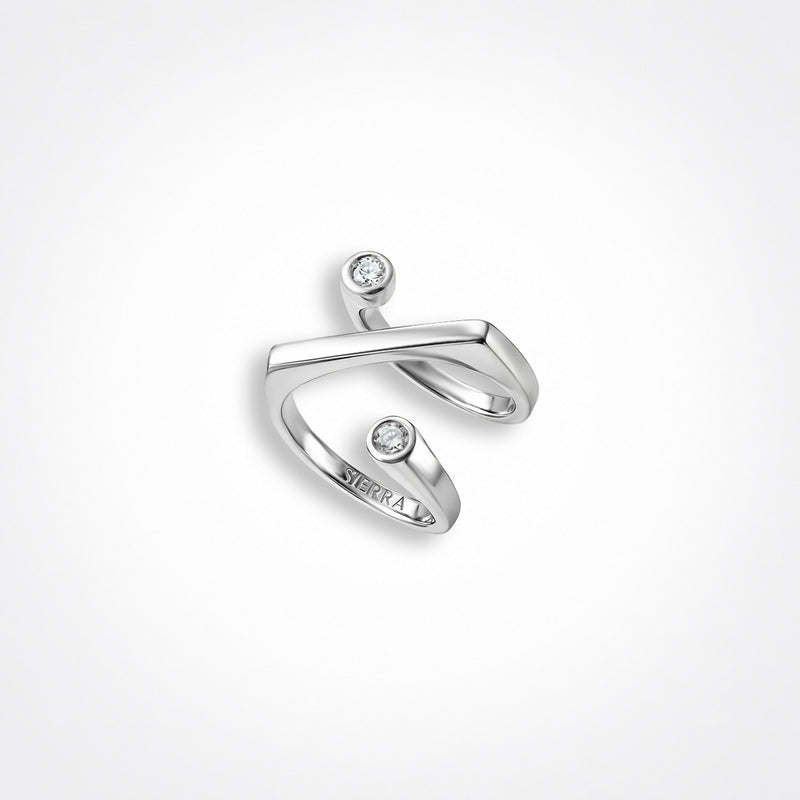
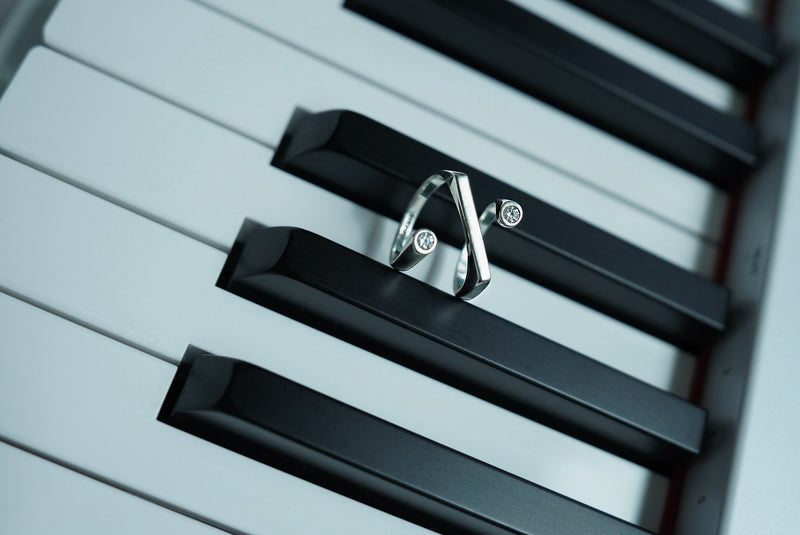
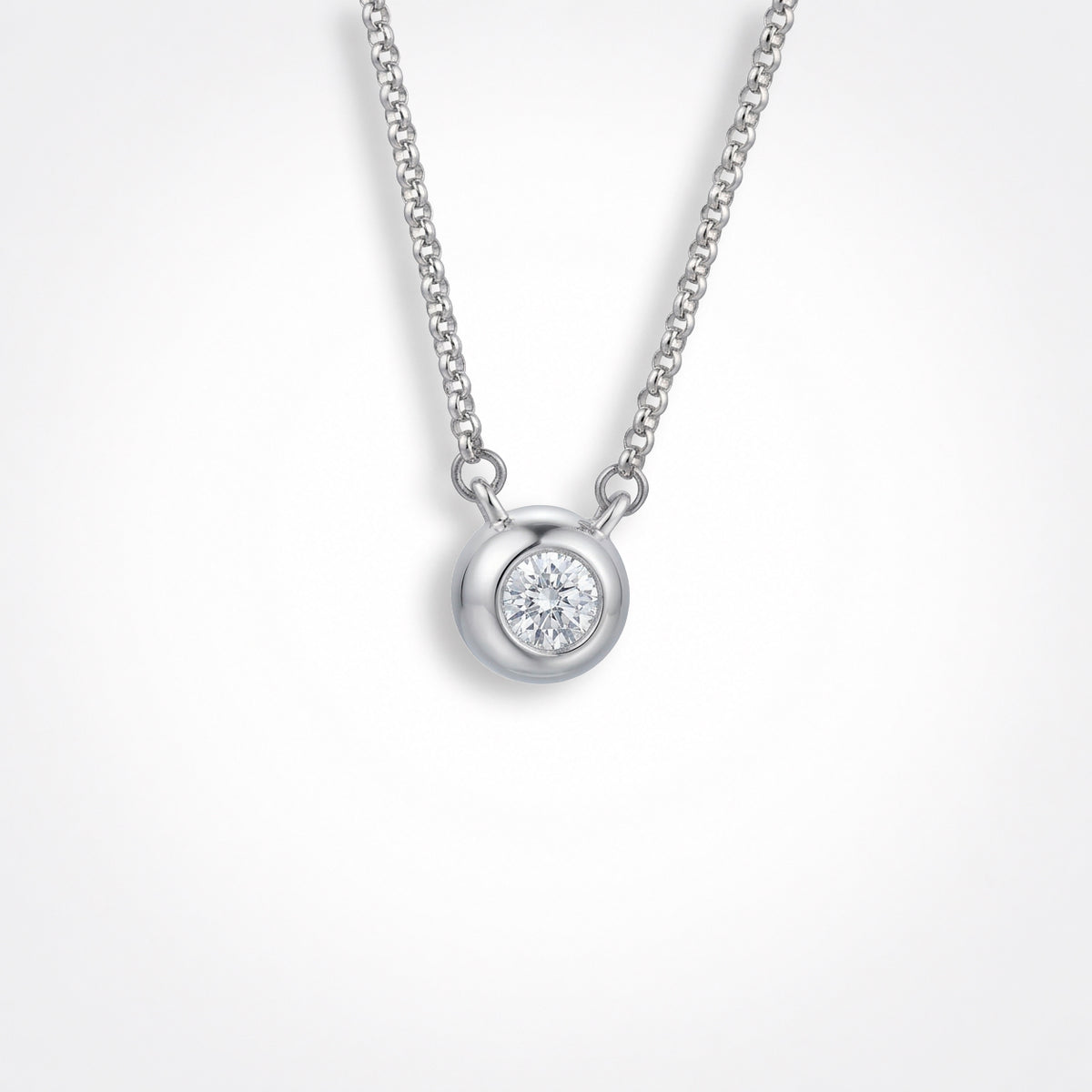
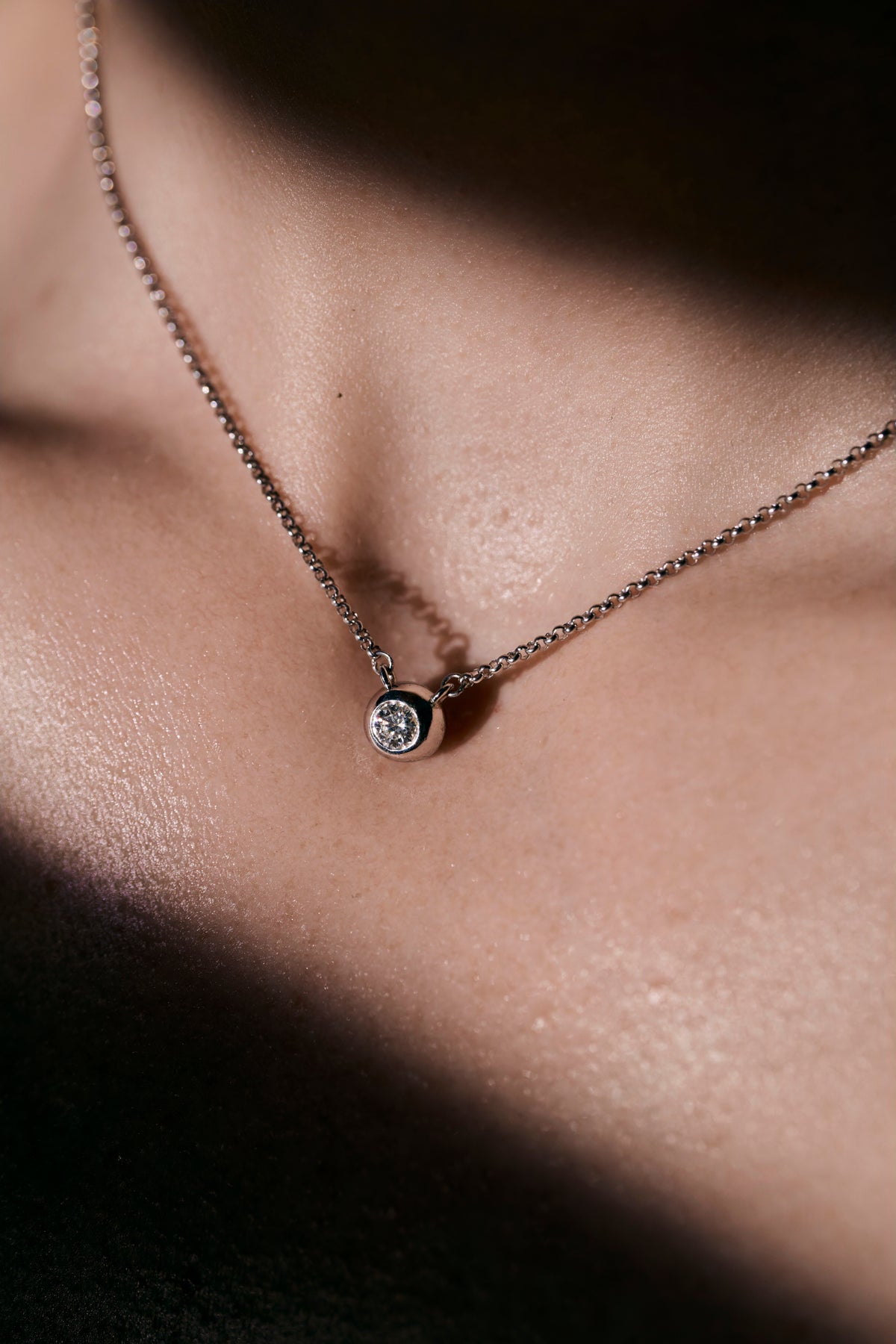
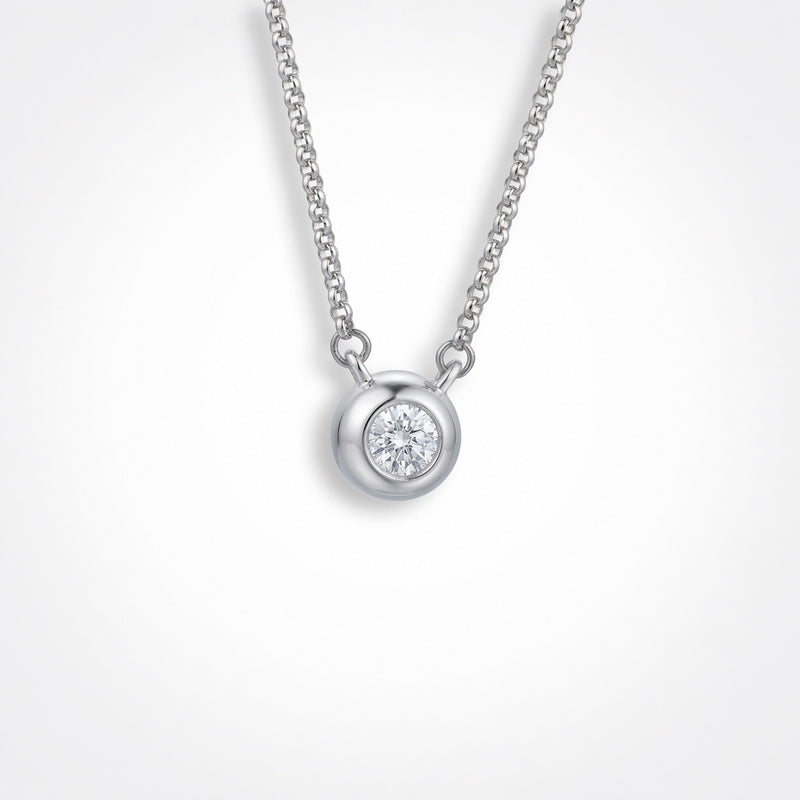
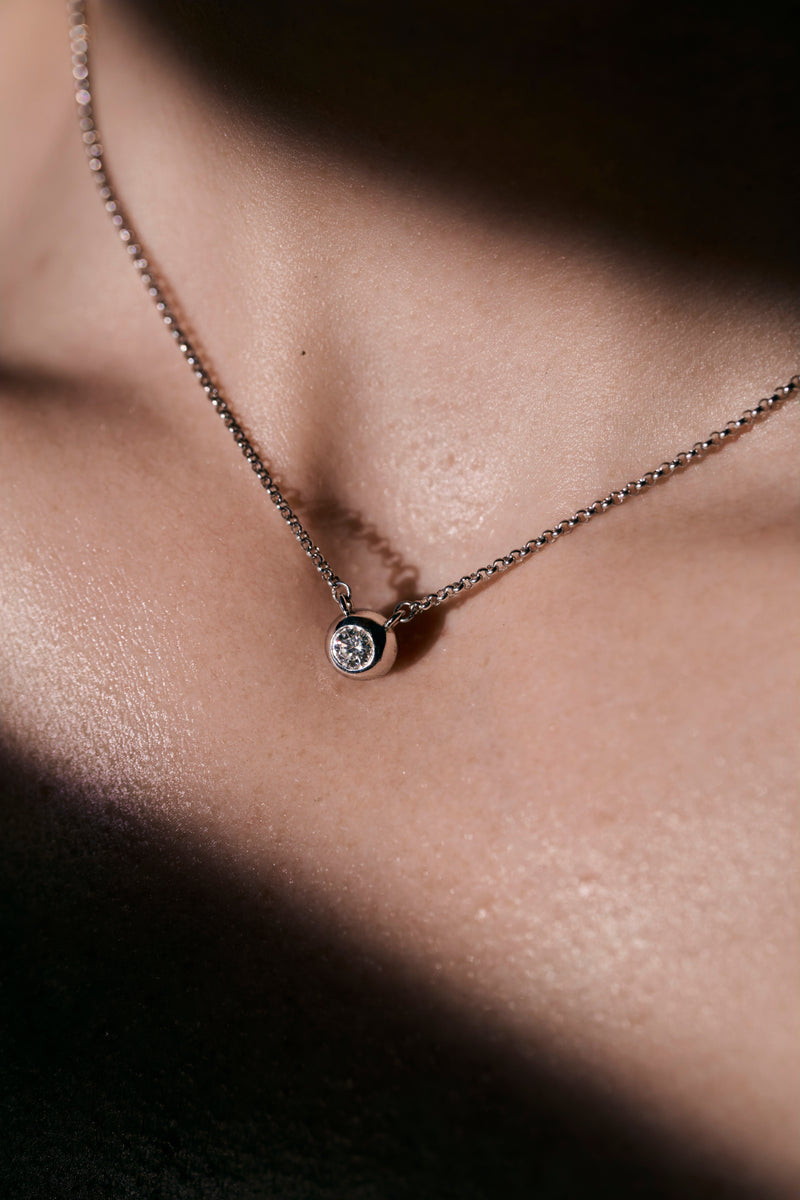
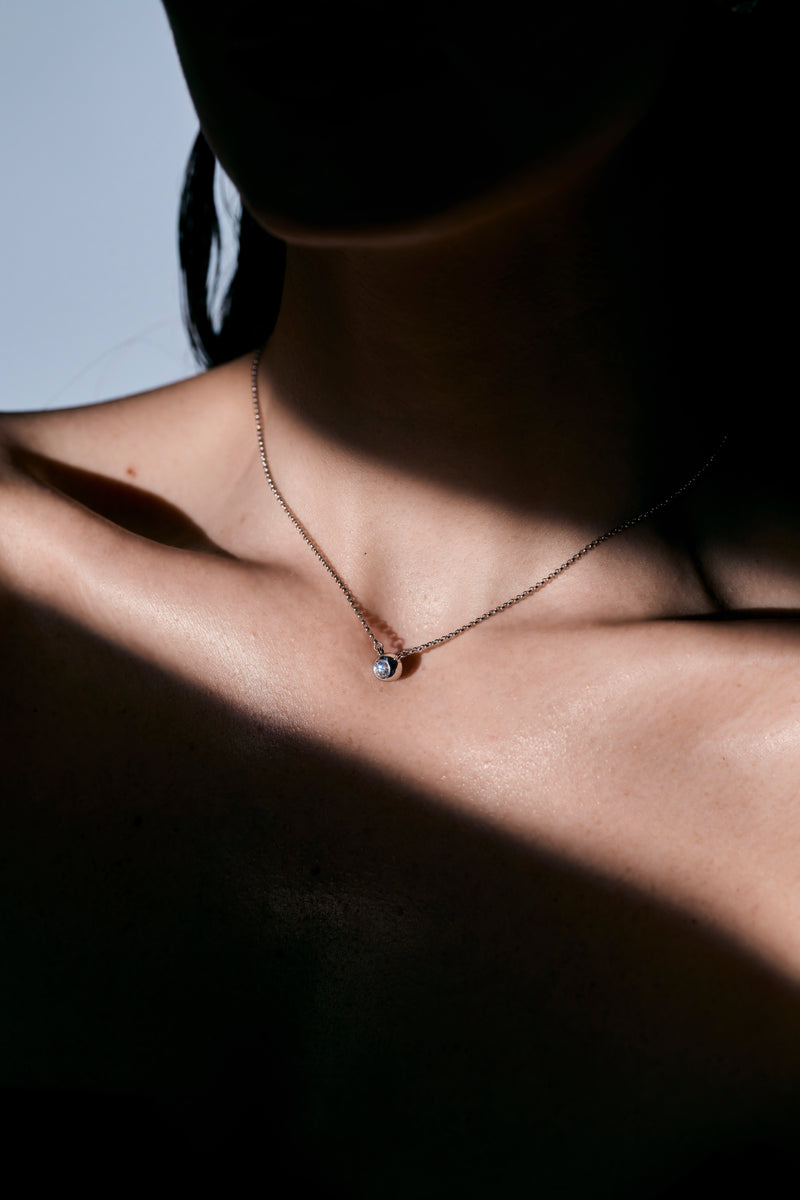
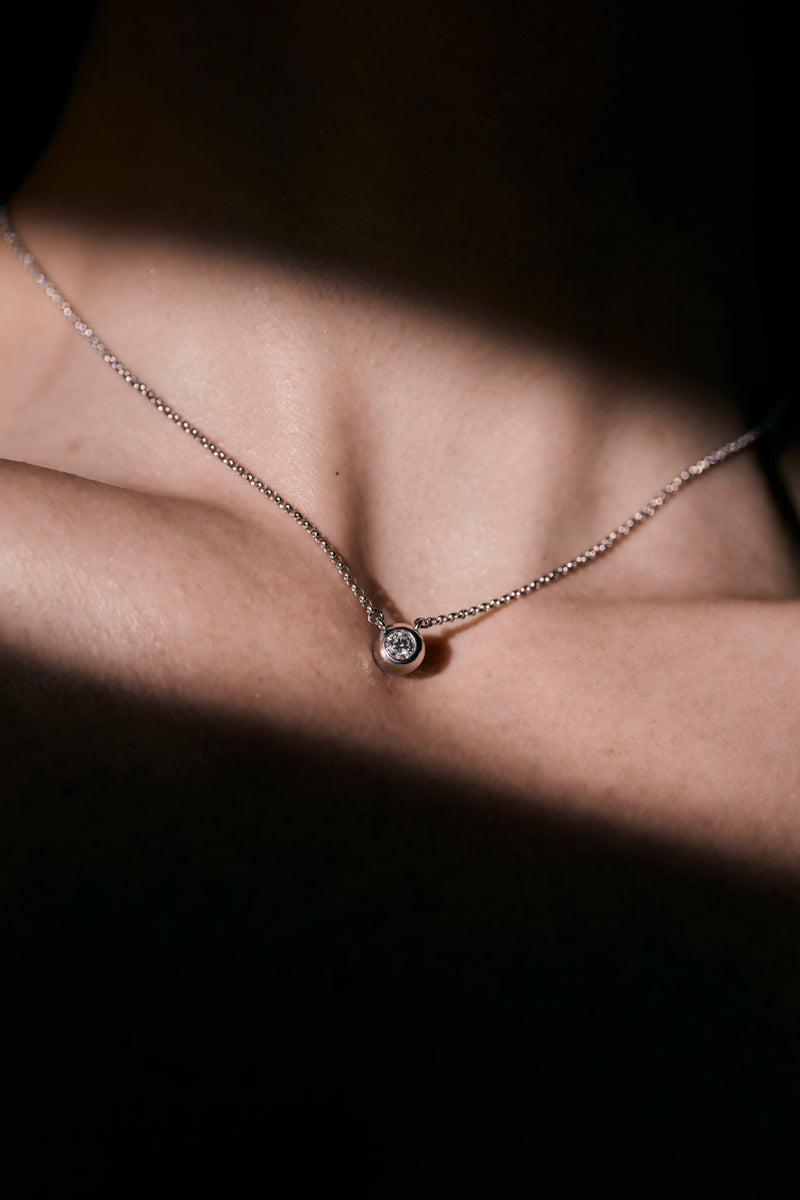
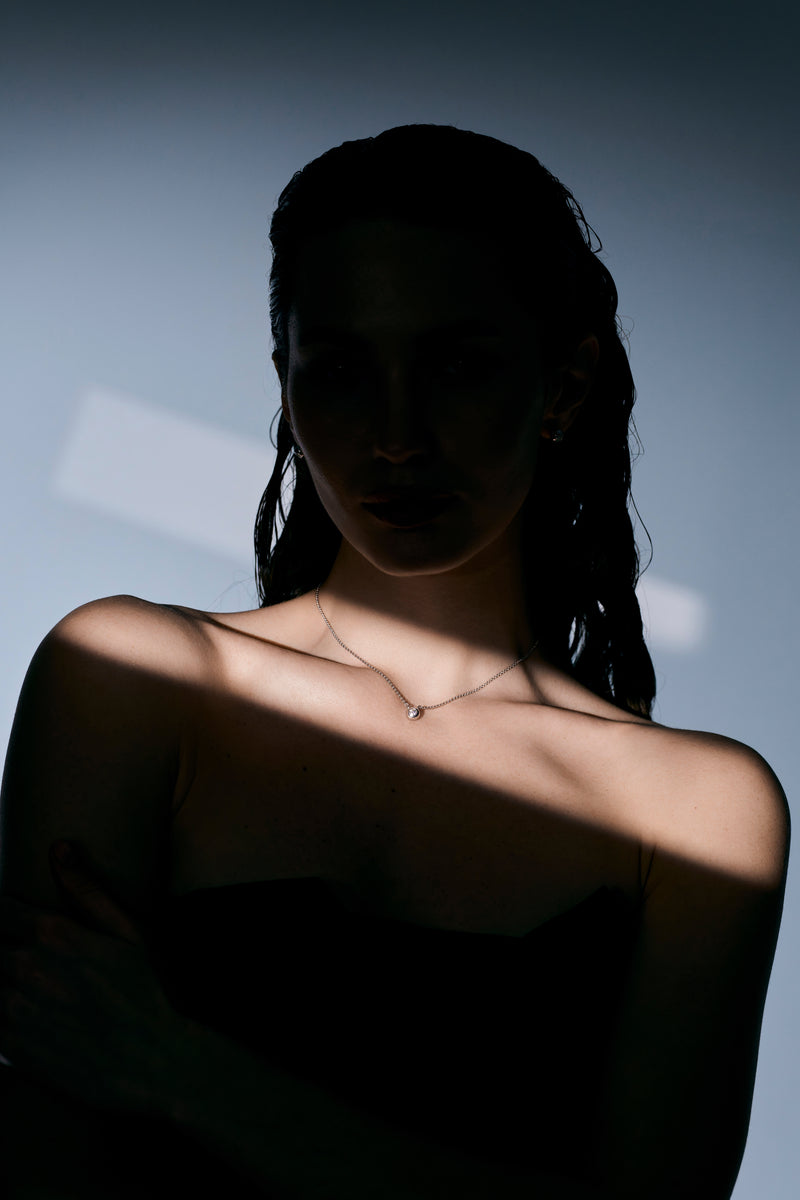
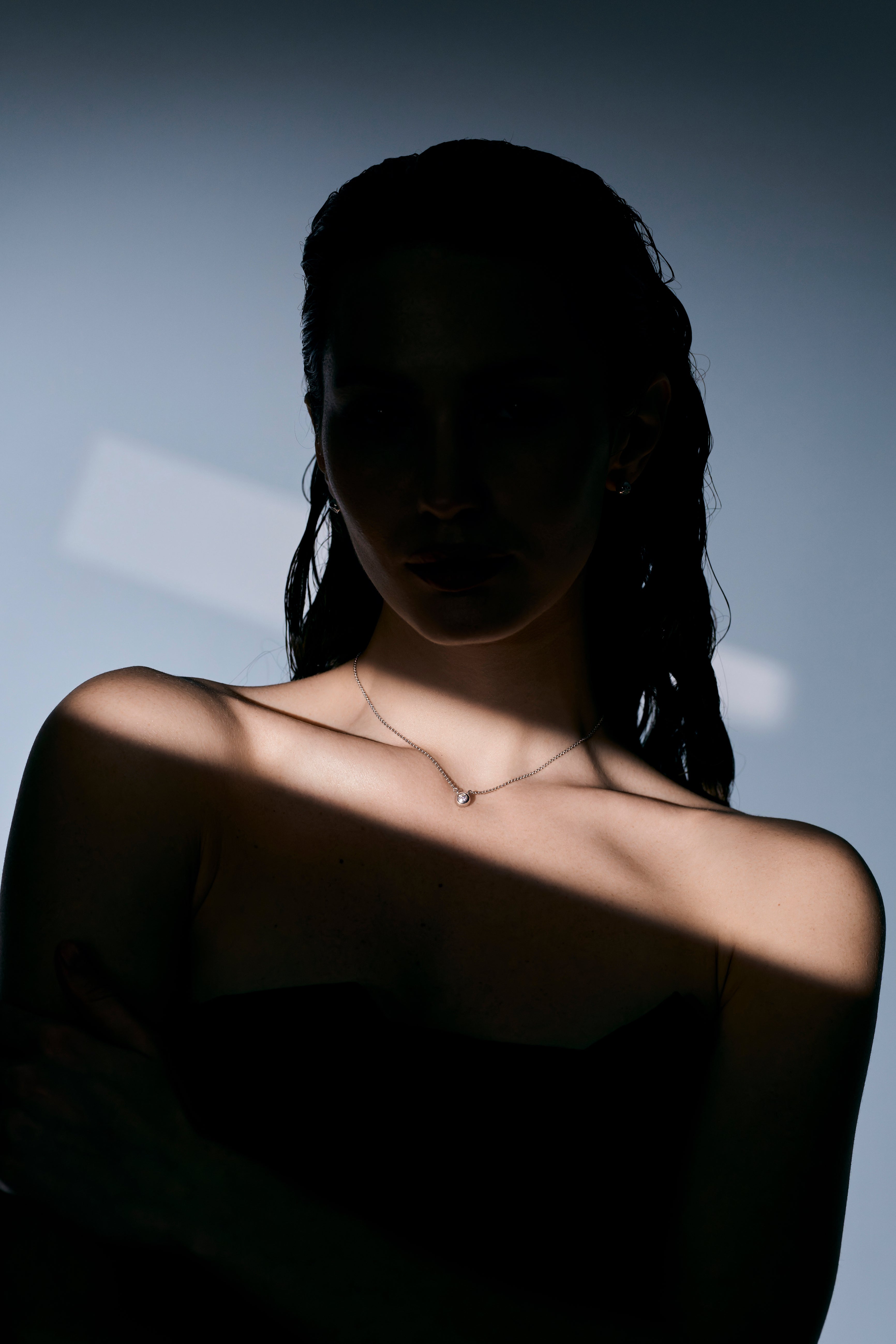
In SIERRA SPACE, every stone in the Alma collection comes with a gemological certificate. 925 sterling silver, handcrafted in Ukraine.
Frequently Asked Questions
Will moissanite tarnish?
No. Cubic zirconia dulls – moissanite does not. Its color and brilliance are retained for years without special care.
Will a jeweler notice the difference?
With a regular diamond tester – likely not, most give a positive result for both. A separate moissanite tester is needed. By eye – no.
Are moissanite and cubic zirconia the same thing?
Different materials. Cubic zirconia is zirconium oxide, hardness 8.5, dulls over time. Moissanite is silicon carbide, hardness 9.25, stable brilliance.
Is it suitable for an engagement ring?
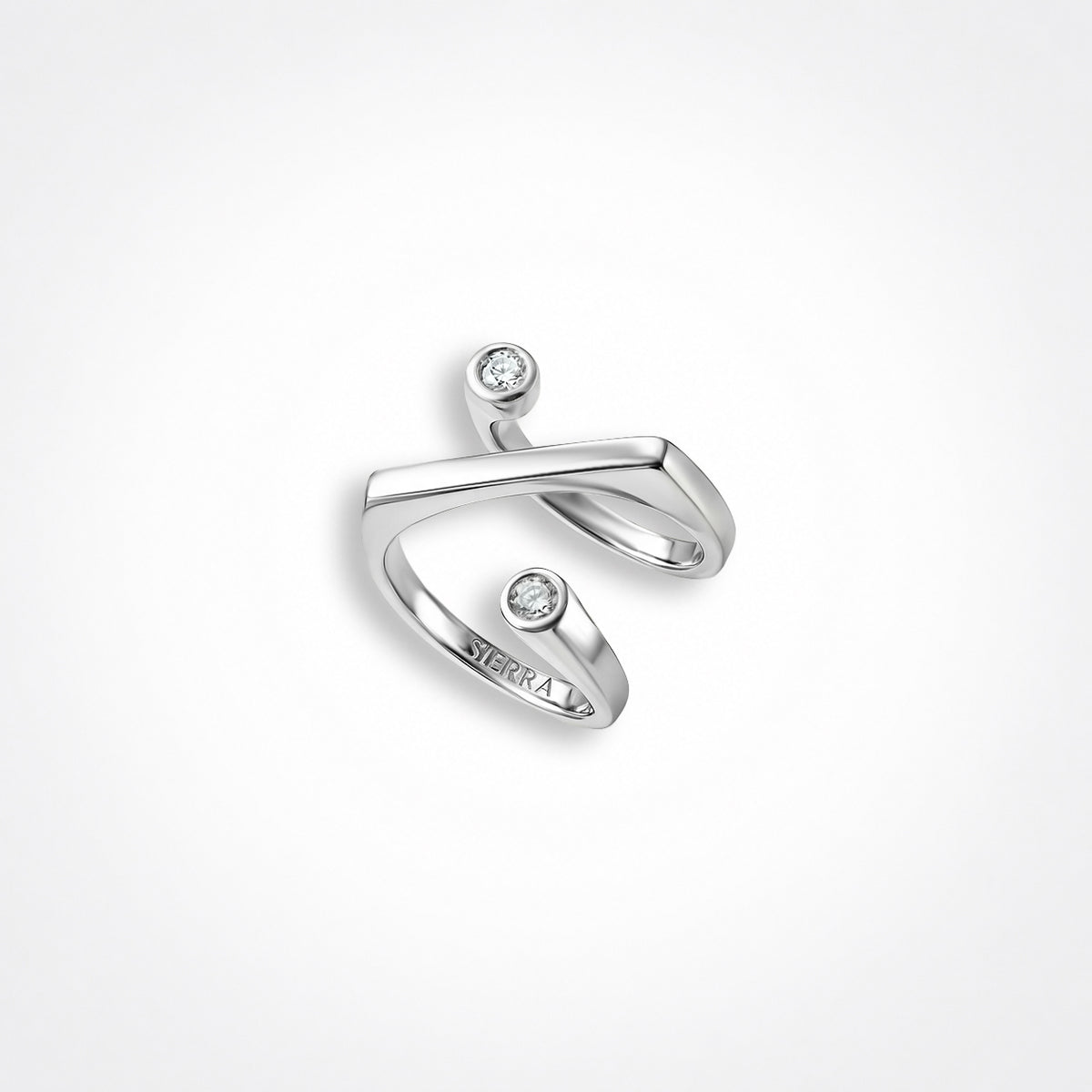
Yes. 9.25 on the Mohs scale means the stone will withstand daily wear without scratches. Just like a diamond – simply cheaper. View moissanite rings.
Also read: Cubic Zirconia, Moissanite, Diamond: What's the difference and what to choose · Moissanite Ring: What people are choosing now and why · 925 Silver: What this number means and how not to buy a fake