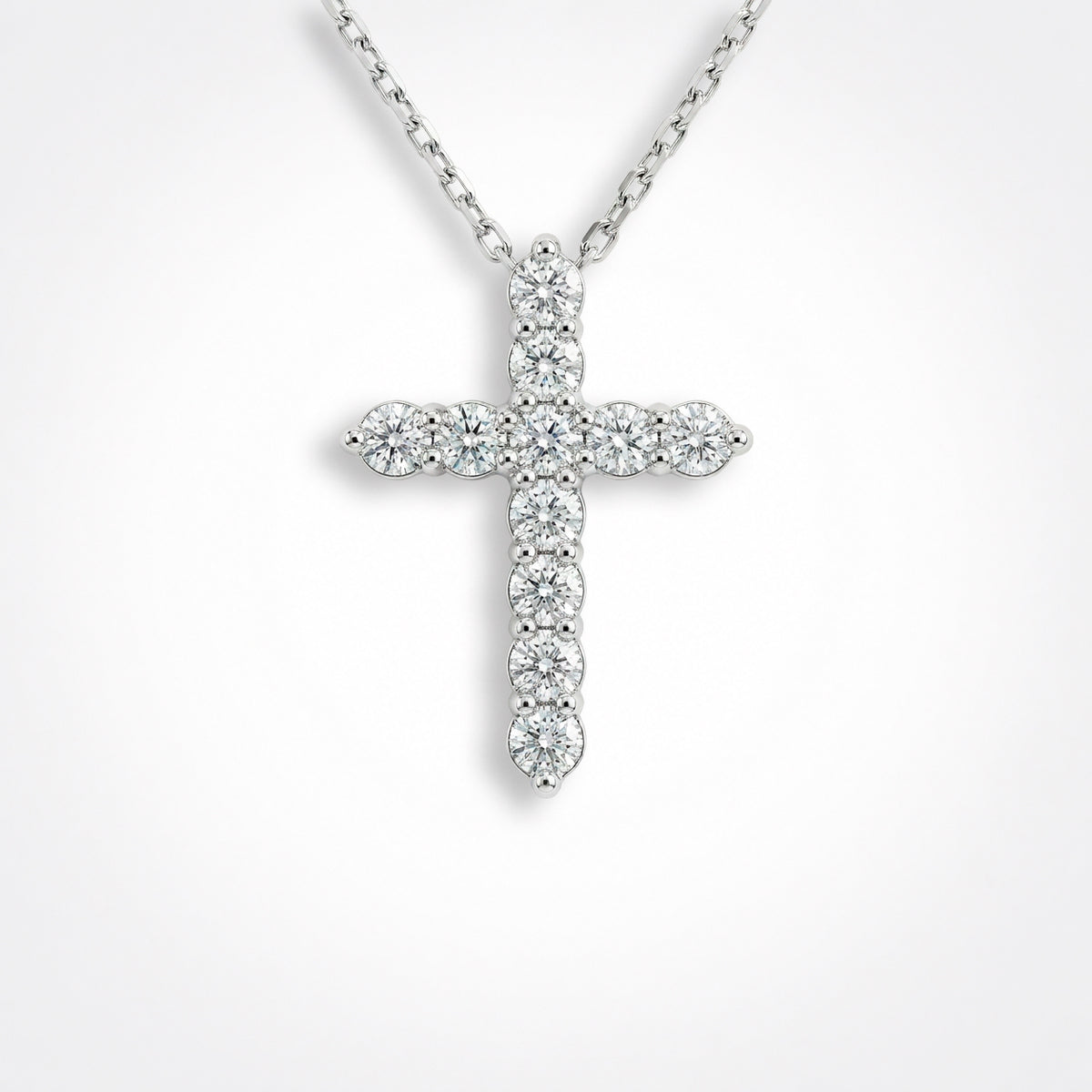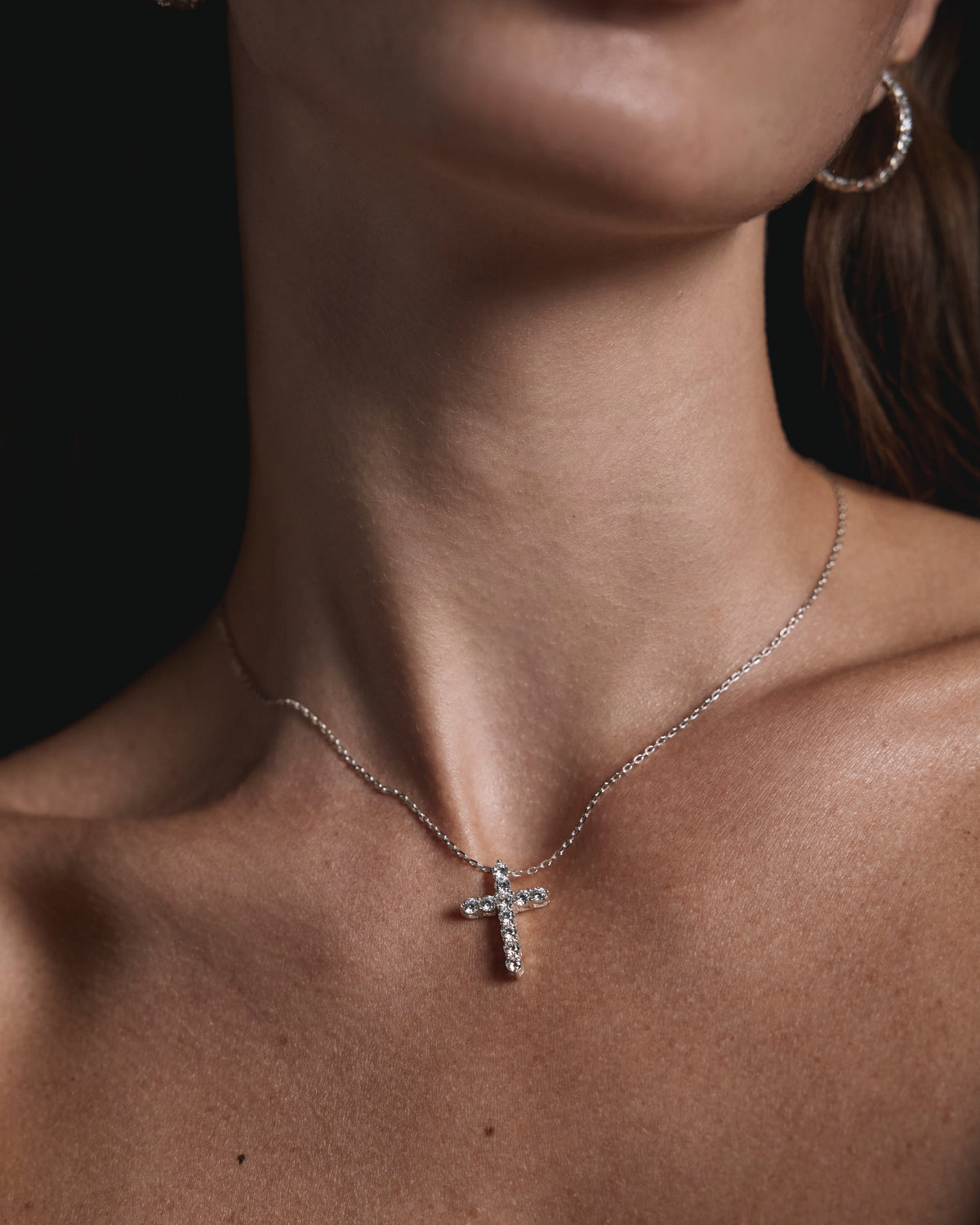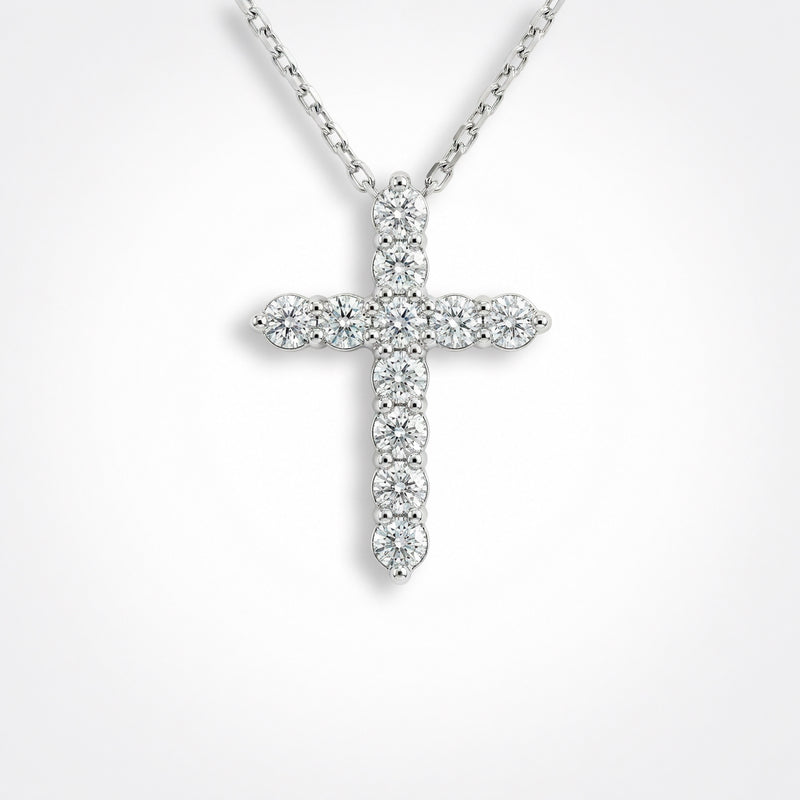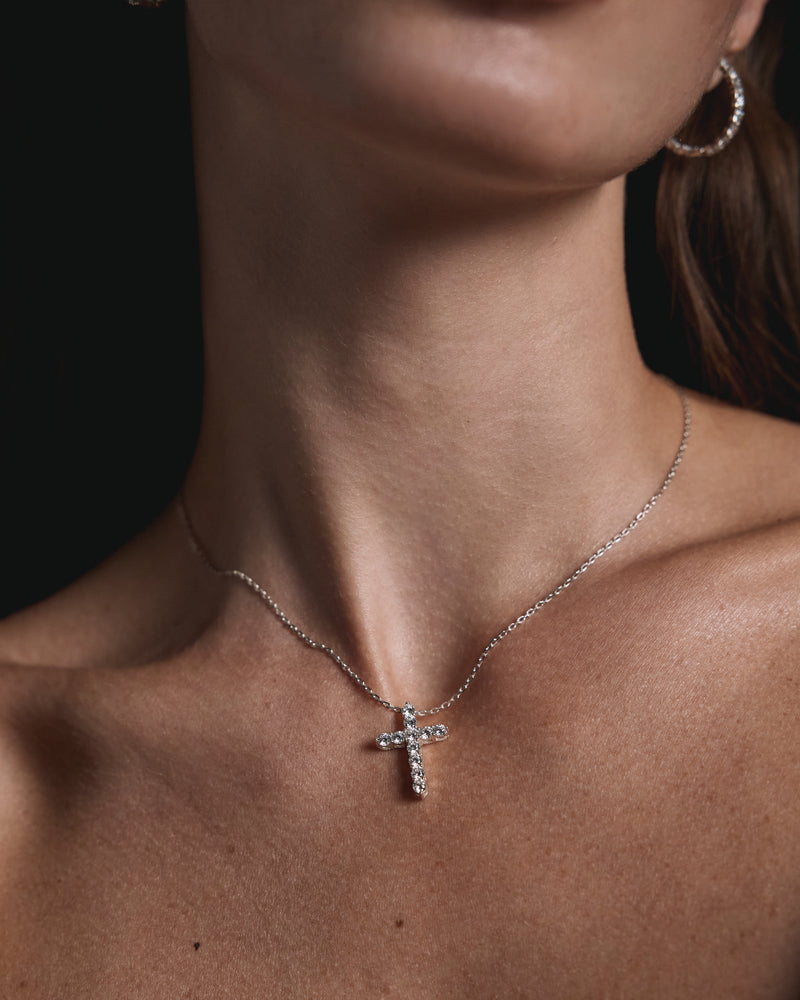

Cubic Zirconia, Moissanite, Diamond: What's the difference and what to choose
Briefly: Cubic Zirconia is zirconium oxide, with a hardness of 8-8.5, it becomes cloudy within 1-3 years and costs the least. Moissanite is silicon carbide, with a hardness of 9.25, refraction of 2.65, it doesn't tarnish and costs 10-15 times less than a diamond. Diamond is natural carbon, with a hardness of 10, refraction of 2.42, valued primarily for its unique natural origin.
Diamond, moissanite, and cubic zirconia are not the same thing. And not just "expensive, medium, cheap." They have different chemistry, different brilliance, and different behavior over time. Here's what really distinguishes them from each other.
| Characteristic | Cubic Zirconia | Moissanite | Diamond |
|---|---|---|---|
| Chemical composition | zirconium oxide | silicon carbide | natural carbon |
| Hardness (Mohs) | 8-8.5 | 9.25 | 10 |
| Light refraction | — | 2.65 | 2.42 |
| Brilliance over time | becomes cloudy after 1-3 years | does not become cloudy | does not become cloudy |
| Price per 1 carat | $5-20 | $400-700 | from $4,000 |
Cubic Zirconia
Zirconium oxide. Made in a laboratory specifically to imitate a diamond — that's precisely what it was invented for. Hardness 8-8.5 on the Mohs scale, meaning it can be scratched by contact with harder materials — keys, sand, other stones.
The main problem is that it becomes cloudy. Not from scratches, but chemically: the surface gradually becomes dull and does not regain its brilliance from cleaning. After 1-3 years of intense wear, cubic zirconia noticeably ages.
The price is the lowest. It is widely used in mass jewelry production. If the description of a piece of jewelry says "crystal" or "stone" without clarification, it is most likely cubic zirconia.
Moissanite
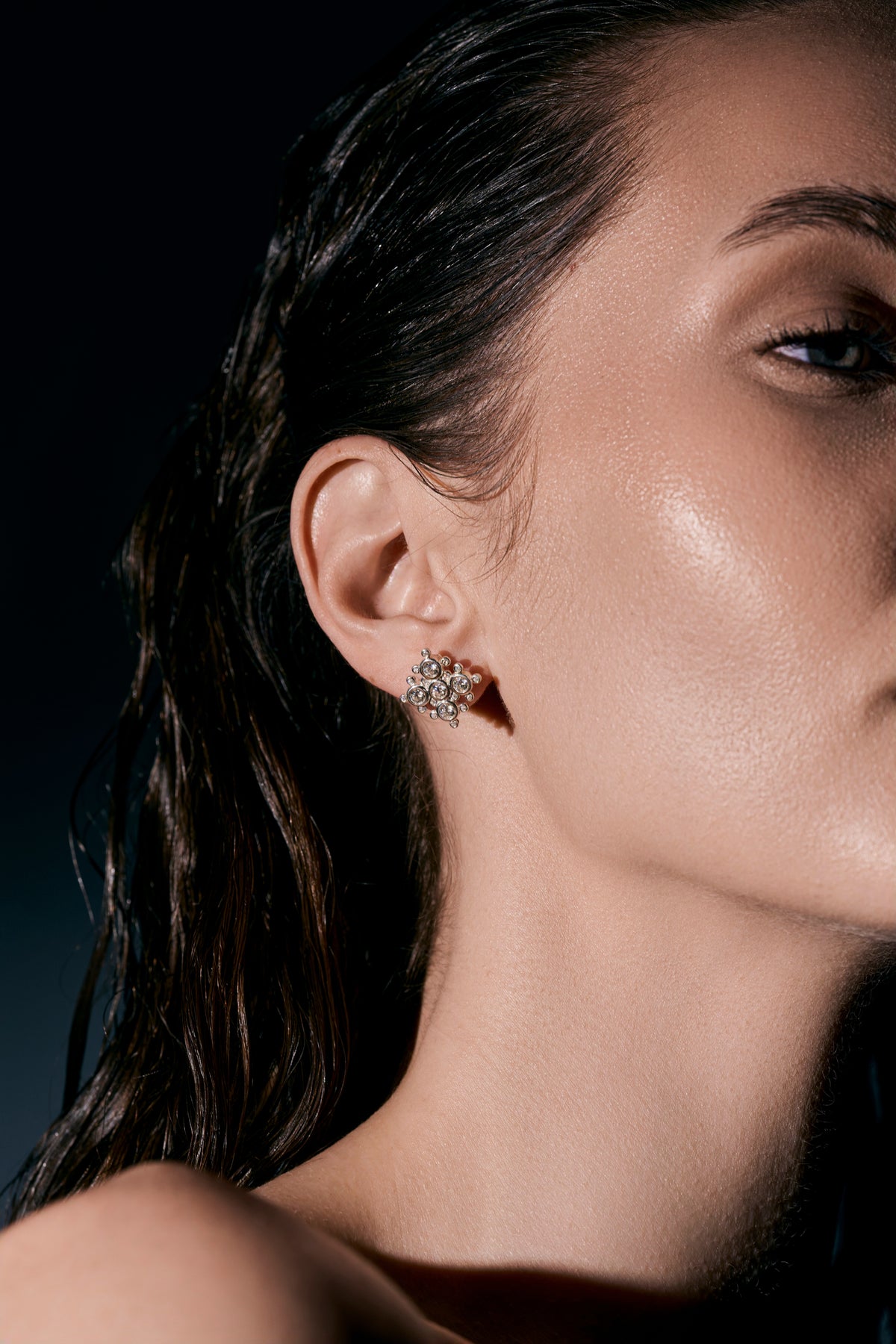
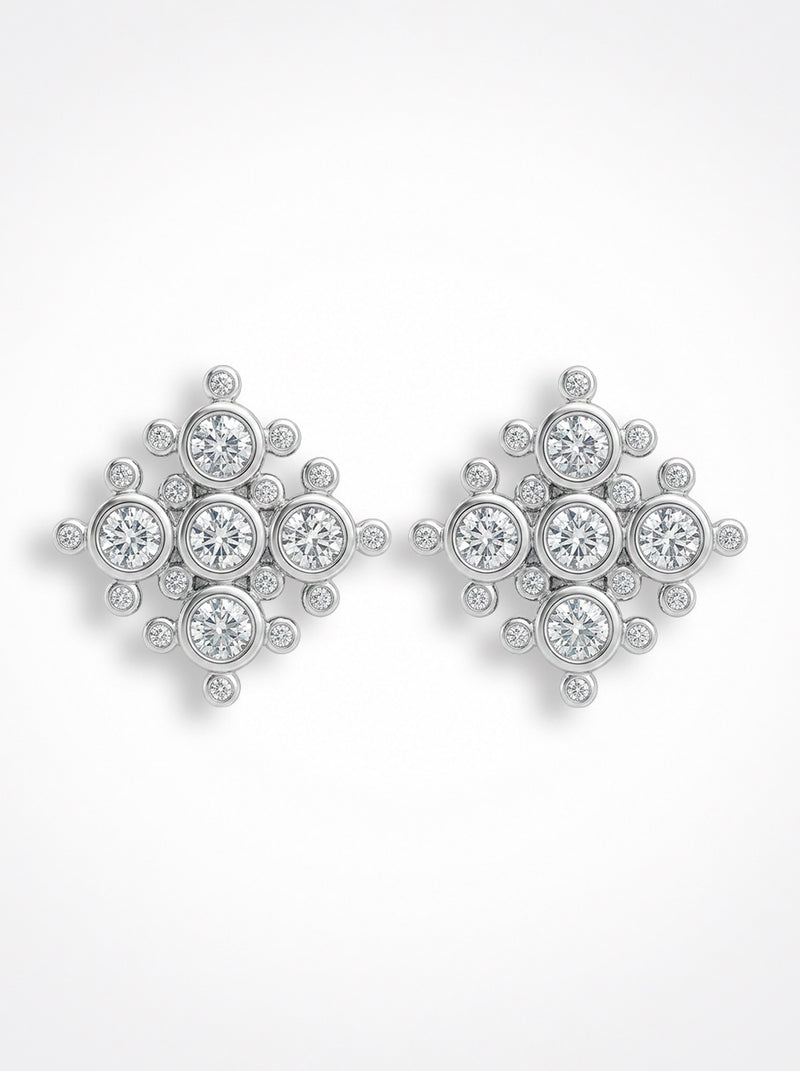
Silicon carbide. Natural moissanite is a very rare mineral found in meteorites. Gem-quality moissanite is grown in a laboratory. It is not a diamond imitation — it is a distinct material with its own characteristics.
Hardness 9.25 — after diamond, it is the second hardest material in jewelry. It can only be scratched by a diamond or another moissanite.
Refractive index 2.65 — higher than that of a diamond (2.42). This means it sparkles more actively in light. Some like it more, some less — it's a matter of taste. But it will never dull.
The price is 10-15 times lower than a diamond of a similar size. That's why moissanite rings and necklaces allow you to get a large stone without the corresponding price tag.
Diamond
Natural carbon. Hardness 10 — the hardest natural mineral. Refractive index 2.42 — slightly lower than moissanite, but the brilliance is very high quality and distinctive.
Every natural diamond is unique — a geological event billions of years ago. This is the main argument for those who choose a natural stone: not just physical characteristics, but origin.
There are also lab-grown diamonds — chemically identical to natural ones, cheaper, but lacking that "uniqueness." The market for them is currently controversial.
Comparison
Hardness: diamond 10, moissanite 9.25, cubic zirconia 8-8.5. For daily wear, the critical difference between cubic zirconia and the rest is that it scratches from everyday contact.
Brilliance over time: diamond and moissanite do not become cloudy. Cubic zirconia becomes cloudy after 1-3 years.
Price per 1 carat: natural diamond from $4,000, moissanite $400-700, cubic zirconia $5-20.
What to choose
Cubic Zirconia — if the jewelry is not for daily wear and price is critical. Or if you're buying it for a child and know it will be discarded in a year.
Moissanite — if you want an everyday stone, large, with strong brilliance, and without the need to worry about being careful. And if natural origin is not a matter of principle.
Diamond — if the natural, unique aspect is important, or if it's a gift with specific meaning where price is secondary.
Frequently Asked Questions
Will a jeweler distinguish moissanite from diamond?
With a regular tester — no, most testers give a positive result for both. A special moissanite tester is needed. By eye, without instruments — practically impossible for an uninformed person.
Is cubic zirconia the same as "rock crystal"?
No. Rock crystal is natural transparent quartz. Cubic zirconia is zirconium oxide. Different materials with different properties, although both are transparent.
Are there certificates for moissanite?
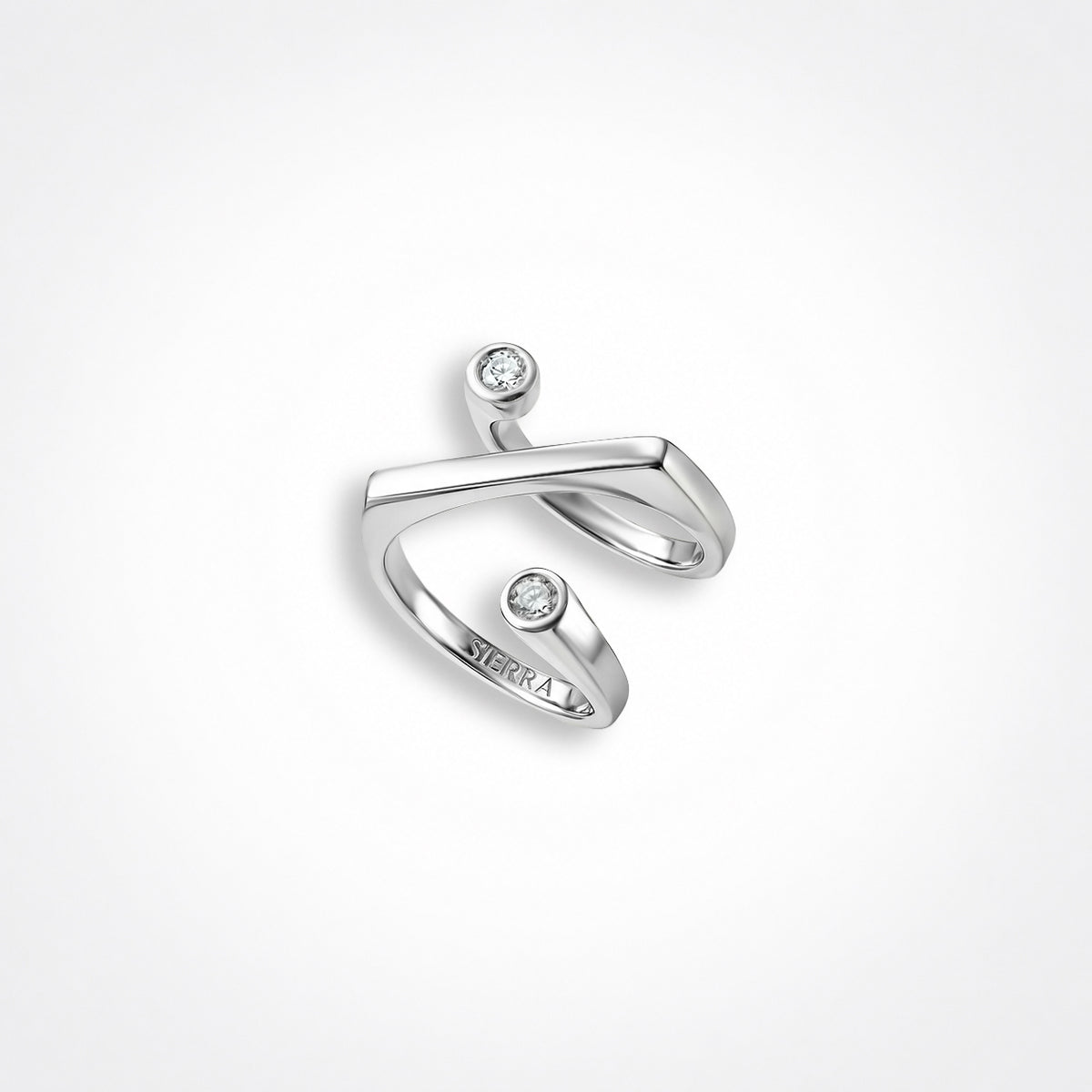
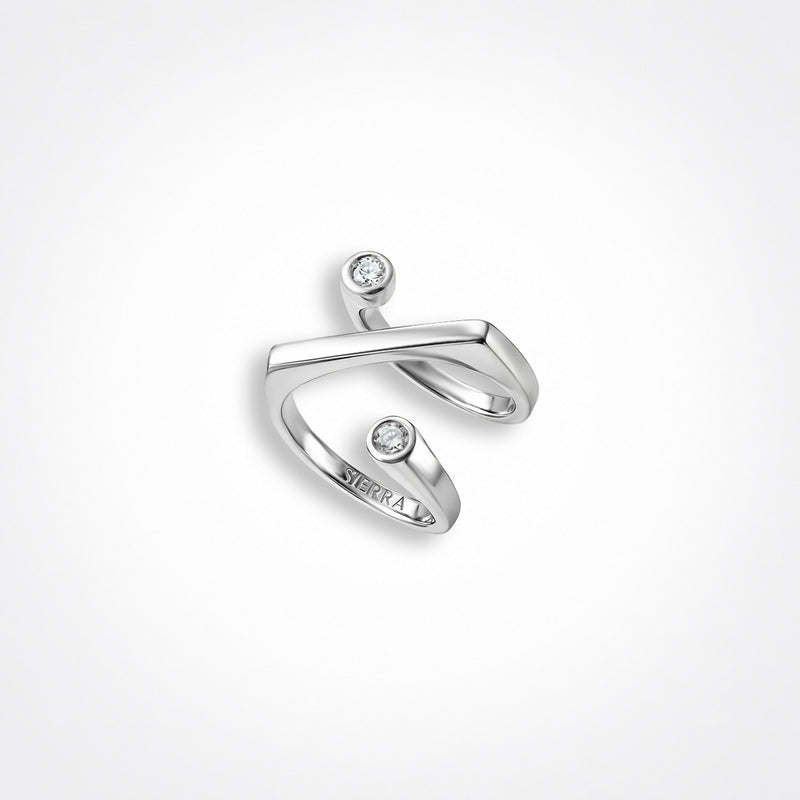
Yes. A reputable seller provides a gemological certificate for the stone. In SIERRA SPACE, the moissanite in the Alma collection comes with a stone certificate.
Also read: Moissanite: what it is and how it differs from diamond · Moissanite ring: what people choose now and why · 925 Silver: what this number means and how not to buy a fake